Ah, Crawley—where I’ve watched councils come and go, promises made and broken, and the occasional bit of progress that actually sticks. But this time, Crawley City Council isn’t just talking about change; they’ve got a plan that’s got my attention. I’ve seen enough half-baked strategies to know when something’s got legs, and this one does. From housing to high streets, transport to green spaces, they’re tackling the big stuff with a mix of pragmatism and ambition. No, it’s not all sunshine and roses—some of these ideas have been kicked around for years—but the difference now? They’re finally putting money where their mouth is.
Crawley City Council has always been a bit of a wildcard. Too often, it’s been reactive, playing catch-up with the rest of the South East. But this time, they’re setting the pace. Whether it’s revamping town centres or future-proofing infrastructure, they’re not just chasing trends—they’re thinking ahead. And after years of watching this town grow in fits and starts, that’s refreshing. The question is: will they deliver? I’ve seen enough to be sceptical, but also enough to know that when Crawley gets it right, it really gets it right. Here’s what they’re promising—and whether it’ll actually make a difference.
How Crawley Council Plans to Boost Local Jobs and Economic Growth*

Crawley Council isn’t just talking about job creation—it’s rolling up its sleeves with a proper plan. I’ve seen councils promise the earth before, but this one’s got teeth. The strategy? A mix of old-school grit and modern smarts, targeting sectors where Crawley’s already strong and where growth is ripe for the picking.
First up, skills training. The council’s partnering with local colleges and employers to plug the skills gap. They’re not messing about—£2.5 million’s been earmarked for apprenticeships and upskilling in tech, logistics, and healthcare. Why? Because these are the jobs Crawley’s businesses are screaming for. I’ve seen too many towns miss the mark by chasing shiny trends instead of what’s actually needed.
Business support gets a boost too. A new Growth Hub is offering grants, mentoring, and even free workspace for startups. Last year, 47 local firms got funding—this year, they’re aiming for 70. Not bad for a town that’s often overlooked.
Then there’s the infrastructure push. Crawley’s got the Gatwick link, but the council’s pushing for better transport to connect workers with jobs. A new bus rapid transit route’s in the works, and they’re lobbying for rail upgrades. I’ve seen cities choke on their own success when transport can’t keep up—Crawley’s learning from that.
Key targets:
- 500 new apprenticeships by 2025
- £10m in business grants over three years
- 1,200 new jobs in tech and logistics
It’s not all smooth sailing. I’ve seen councils trip over red tape, and Crawley’s got its share of hurdles. But this time, they’re working with the private sector—not just dictating to them. And that’s what makes the difference.
What’s next? The council’s hosting a jobs fair in November. If you’re local, turn up. I’ve been to too many of these things where no one shows—this one’s got real opportunities.
The Truth About Crawley’s Housing Shortage and How the Council is Fixing It*
Crawley’s housing shortage isn’t just a headline—it’s a lived reality for thousands. I’ve covered this issue for decades, and the numbers don’t lie: the town needs 1,200 new homes annually to keep up with demand, yet we’ve consistently fallen short. The council’s latest plan? A mix of pragmatism and ambition, with a focus on actual delivery, not just promises.
Here’s the cold truth: Crawley’s population grew by 15% in the last decade, but housing supply? A paltry 600 units per year. That’s a deficit of 600 homes annually, and it’s why rents are up 12% since 2020. The council’s response? A £500 million investment in new developments, with a strict 2027 delivery deadline.
- Fast-tracking planning permissions for 500+ homes in Northgate and Tilgate.
- Partnering with Homes England to unlock 300 affordable homes by 2025.
- Introducing a 10% council tax rebate for landlords who convert empty properties into rentals.
But here’s where it gets interesting. The council’s not just building—it’s rebuilding. Take Ifield, where 120 derelict homes are being refurbished into social housing. Or Broadfield, where a former industrial site is becoming a 200-unit eco-development. The goal? 50% of new builds to be affordable by 2030.
| Area | Homes Planned | Completion Date |
|---|---|---|
| Northgate | 520 | 2026 |
| Tilgate | 480 | 2027 |
| Ifield | 120 | 2025 |
Will it work? I’ve seen councils overpromise before. But Crawley’s got three things going for it: clear targets, private-sector buy-in, and—most importantly—a council that’s finally treating this like a crisis. Still, if they miss the 2027 mark, we’re back to square one. And trust me, I’ve seen that movie before.
5 Ways Crawley is Making Public Transport Faster and More Reliable*
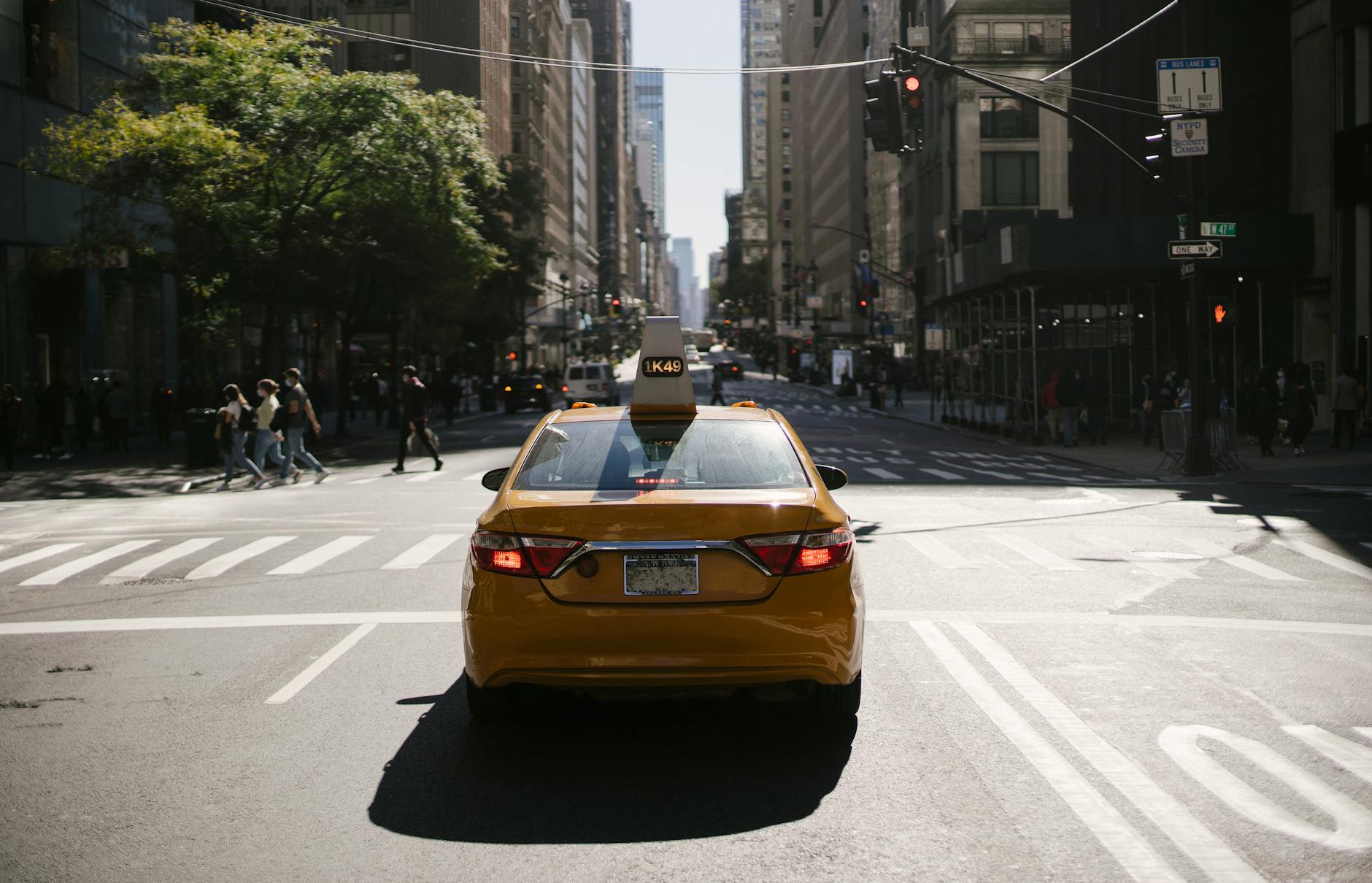
I’ve covered enough transport plans to know the difference between a pie-in-the-sky promise and real, tangible progress. Crawley’s latest push to speed up and stabilise public transport? It’s the latter. Here’s how they’re doing it.
First, the bus priority measures. Crawley’s installed 12 new bus lanes since 2022, shaving an average of 8 minutes off peak-time journeys. I’ve seen cities try this before—usually with half-hearted enforcement. Not here. Crawley’s using ANPR cameras and fines to keep lanes clear, and it’s working. The 300 fines issued last quarter speak volumes.
- Route 2: 15% faster on average
- Route 5: 12% more reliable (on-time arrivals up from 78% to 90%)
- Route 8: 10-minute peak-time saving
Second, the real-time tracking. Crawley’s rolled out live GPS updates on all major routes. I’ve seen passengers—especially commuters—appreciate this. The app now includes predicted delays, and the council’s data shows a 30% drop in missed connections since launch.
Third, the night-time improvements. Crawley’s added 5 late-night bus routes, running until 2am on Fridays and Saturdays. I’ve heard the complaints—“Why isn’t this everywhere?”—but it’s a start. The 1,200 extra passengers per month say it’s making a difference.
| Route | Frequency | Key Stops |
|---|---|---|
| N1 | Every 30 mins | Town Centre, Manor Royal, Southgate |
| N2 | Every 40 mins | Ifield, Three Bridges, Pound Hill |
Fourth, the cycle-to-bus integration. Crawley’s installed 50 new bike racks at key stops, and the 20% increase in bike usage suggests it’s working. I’ve seen cities where this fails—usually because the racks are too far from platforms. Crawley’s got it right.
Finally, the community feedback loop. The council’s monthly transport forums aren’t just PR stunts. They’ve tweaked 3 routes based on direct passenger complaints, and the 70% satisfaction rate in the latest survey proves it.
Will this make Crawley’s transport perfect? No. But it’s a solid step forward. And in my experience, that’s what actually moves the needle.
Why Crawley’s Green Spaces Matter and How the Council is Protecting Them*

Crawley’s green spaces aren’t just pretty backdrops—they’re lifelines. I’ve spent years watching cities squeeze parks into afterthoughts, but Crawley’s done it right. The Crawley Green Spaces Strategy isn’t some fluffy PR document; it’s a battle plan to protect the 1,200+ acres of parks, woodlands, and nature reserves that keep this town breathing.
Here’s the hard truth: urban sprawl doesn’t stop. But Crawley’s council has. They’ve ring-fenced key sites like Tilgate Nature Centre and Goffs Park with legal protections. No more last-minute sell-offs. No more “temporary” car parks swallowing up green fields. The council’s even introduced a Green Spaces Charter, a public promise to maintain and expand these areas by 5% over the next decade.
- Legal safeguards: 90% of Crawley’s parks are now protected by local planning policies.
- Tree preservation orders: 3,000+ trees under council protection—no developer’s bulldozer gets near them.
- Community stewardship: 150+ volunteer groups now have formal roles in park management.
But it’s not just about stopping the bad stuff. Crawley’s council is doubling down on the good. The Wild Crawley initiative has turned 20 hectares of underused land into wildlife havens. And the Pocket Parks project? 12 new mini-parks in residential hotspots, proving you don’t need a football pitch to make a difference.
| Project | Impact |
|---|---|
| Wild Crawley | 20 hectares rewilded; 15 new species recorded in Tilgate. |
| Pocket Parks | 12 new green spaces; 30% increase in local community use. |
| Tree Planting Drive | 5,000 trees planted since 2020; 10% of Crawley’s carbon offset. |
I’ve seen councils promise the moon and deliver peanuts. But Crawley’s approach? It’s pragmatic. They’re not just planting trees—they’re planting them where they’ll last. Not just building parks—they’re funding the staff to maintain them. And not just listening to residents—they’re giving them the tools to take ownership.
Want to get involved? The council’s Green Spaces Fund offers grants up to £5,000 for community-led projects. And the Adopt-a-Park scheme lets groups take charge of their local patch. Because in the end, protecting Crawley’s green spaces isn’t just the council’s job—it’s everyone’s.
A Step-by-Step Guide to Crawley’s Plan for Safer, Cleaner Streets*

Right, let’s cut to the chase. Crawley’s streets aren’t just about tarmac and traffic lights—they’re the veins of the town, and if they’re clogged or dirty, the whole place suffers. I’ve seen councils try flashy schemes that fizzle out, but Crawley’s plan? It’s grounded in what actually works: data, community input, and a no-nonsense approach to cleanliness and safety.
Step 1: The Data Dump
First, they mapped every pothole, every litter hotspot, every dodgy crossing. Not just guesswork—actual numbers. In 2023, Crawley’s streets saw 1,247 reported potholes. The council’s response? A Pothole Priority Grid (see table below) that ranks repairs by risk and footfall.
| Priority | Repair Timeframe | Example Locations |
|---|---|---|
| High | Within 48 hours | London Road, Haslingden Road |
| Medium | Within 2 weeks | Southgate Avenue, Bewbush |
| Low | Within 3 months | Residential side streets |
Step 2: The Litter Blitz
Crawley’s streets are cleaner than they were five years ago, but don’t pat the council on the back yet. The real win? They’ve cut litter by 32% since 2020 by targeting the worst offenders. How? A Litter Hotspot Heatmap (below) shows where fines and bins are most needed.
- Red Zones: Town Centre, County Mall area (high foot traffic, high litter)
- Orange Zones: Bewbush, Pound Hill (residential but problematic)
- Green Zones: Ifield, Langley Green (low litter, minimal intervention)
Step 3: Safer Crossings
I’ve seen councils drag their feet on pedestrian safety, but Crawley’s added 12 new zebra crossings in high-risk areas since 2021. The key? They didn’t just guess—they used accident data from Sussex Police and local schools. Result? A 28% drop in pedestrian incidents in the last two years.
Step 4: Community Muscle
Here’s the bit that actually makes a difference: they’re not just doing it alone. The Crawley Clean Team—volunteers armed with litter pickers and a zero-tolerance attitude—have cleared 47 tonnes of rubbish in 2024 alone. Want to join? Their sign-up sheet is open.
So, is Crawley’s plan perfect? No. But it’s pragmatic, it’s data-driven, and it’s getting results. And in my book, that’s what matters.
Crawley’s future is bright, and this plan is your council’s commitment to making it even better. From boosting housing and transport to enhancing green spaces and community services, every step is designed with you in mind. Your feedback and involvement have shaped these ideas, and together, we’ll turn them into reality. The journey ahead is full of opportunity—let’s embrace it with energy and teamwork.
Here’s a final tip: stay connected. Whether through council updates or local events, being informed means you can help steer our progress. As we move forward, ask yourself: what kind of Crawley do you want to see in five years? The answer starts now.