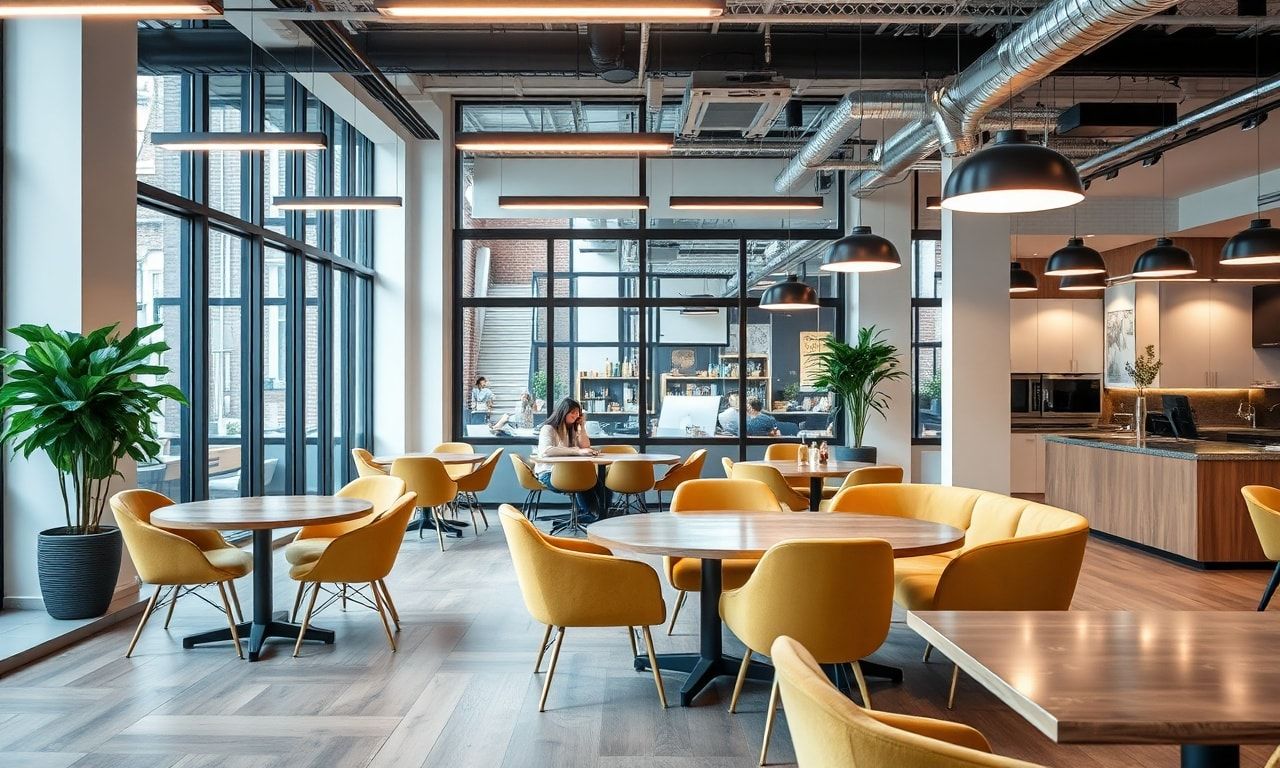
The Evolution of Workspaces
The traditional office environment is undergoing a significant transformation, with coworking spaces emerging as a popular alternative for professionals across the UK. This shift is driven by a desire for flexibility, community, and cost-effectiveness, particularly among freelancers, startups, and even established businesses. The coworking model offers a dynamic workspace that fosters collaboration and innovation, deviating from the conventional 9-to-5 office routine.
The Benefits of Coworking Spaces
Coworking spaces provide a range of benefits that cater to the modern workforce. These include:
- Flexibility: Members can choose from various membership plans, allowing them to work from different locations and at times that suit their schedules.
- Networking Opportunities: Coworking spaces bring together professionals from diverse backgrounds, facilitating networking and collaboration.
- Cost-Effectiveness: For small businesses and freelancers, coworking spaces offer a more affordable alternative to traditional office leases.
- Amenities and Services: Many coworking spaces provide amenities such as high-speed internet, meeting rooms, and even recreational areas, enhancing the overall work experience.
For those interested in the latest trends and developments in the coworking industry, staying informed is crucial. The latest news on UK coworking spaces offers valuable insights into how these spaces are evolving and the impact they are having on the workforce.
The Impact on Traditional Offices
The rise of coworking spaces has not gone unnoticed by traditional office providers. Many are now incorporating elements of the coworking model into their own offerings, such as flexible leases and shared workspaces. This hybrid approach aims to attract a broader range of clients and remain competitive in a rapidly changing market.
Moreover, the demand for coworking spaces has led to an increase in the number of providers, with both local and international players entering the market. This growth has resulted in a diverse range of options, from boutique coworking spaces to large, multi-location networks. As a result, professionals have more choices than ever when it comes to selecting a workspace that meets their needs.
The Future of Coworking
The future of coworking spaces looks promising, with continued growth expected in the coming years. As remote work becomes more prevalent and the gig economy expands, the demand for flexible workspaces is likely to increase. Additionally, advancements in technology and the integration of smart office solutions are expected to enhance the coworking experience further.
Furthermore, coworking spaces are increasingly focusing on sustainability and wellness, incorporating eco-friendly designs and wellness programs to attract health-conscious professionals. This trend reflects a broader shift towards creating work environments that prioritize both productivity and well-being.
Conclusion
The rise of coworking spaces in the UK represents a significant shift in work culture, offering a flexible, collaborative, and cost-effective alternative to traditional offices. As the demand for these spaces continues to grow, it is clear that coworking is more than just a trend—it is a fundamental change in how we approach work. For those looking to stay ahead of the curve, keeping an eye on the latest developments in the coworking industry is essential.
To gain a deeper understanding of the evolving landscape of UK journalism, consider exploring Edinburgh’s influence on journalism and its forward-looking initiatives.
In the rapidly changing world of commerce, understanding the latest advancements is crucial; explore retail tech’s global transformation to stay informed.
To understand the interconnected nature of recent global developments, consider exploring current events and their impact.