
What’s the latest news in Glasgow and why it matters
Clear briefing on Glasgow’s current events, guiding readers to understand headlines, follow stories, and use practical resources for staying informed.

Glasgow’s news cycle covers politics, policing, culture and public services. This piece answers what’s happening now in a practical way, without hype. It explains how to read the daily developments, where to find reliable updates, and what to watch for in the coming days.
Readers will learn how to interpret breaking stories, verify details, and track how local events affect tonight’s commute, council decisions and community needs.
Across the article, expect concrete steps, plain language and examples showing how to stay informed in a busy city landscape.
- Glasgow’s latest news covers politics, transport, culture and public services. Use official channels and credible outlets to verify updates. Track how stories develop with careful notes and clear timelines.
- Read widely but selectively, prioritising sources with accurate corrections and primary documents. Use concise briefings to stay current without overload.
- Be mindful of evolving facts: confirm names, dates and locations before sharing. When in doubt, seek a second trusted source.
- This guide outlines practical steps to read, verify and respond to Glasgow news in a timely, responsible way.
Basics: what counts as latest news
How to spot credible updates
Start with recognised local outlets and official channels. Look for detailed reporting, named sources and cross-checks. If a claim lacks evidence, treat it as developing and seek updates from primary sources. A useful resource on this topic: latest news Glasgow.
Real-time updates often arrive in rapid bursts; note the time stamps and whether information is confirmed or speculative. Compare multiple outlets to build a balanced view.
Be mindful of misattributions or sensational wording; verify before sharing.
- Check timestamps on stories
- Verify with official statements
- Cross-check with another reputable source
- Avoid sharing unverified graphics
Where to follow breaking posts
Local broadcasters, council pages and police press offices publish verified notices. Social feeds can be helpful for initial alerts, but require quick triangulation. Set notifications for trusted accounts or RSS feeds from local outlets.
When you see a breaking post, wait for at least two independent confirmations before treating it as fact. Use the publication’s updates to track how a story evolves.
If you’re outside peak hours, check the next day’s morning briefs for a fuller summary of what happened.
- Official council alerts
- Police statements
- Local media briefings
- Public transit notices
How Glasgow stories unfold over 24 hours
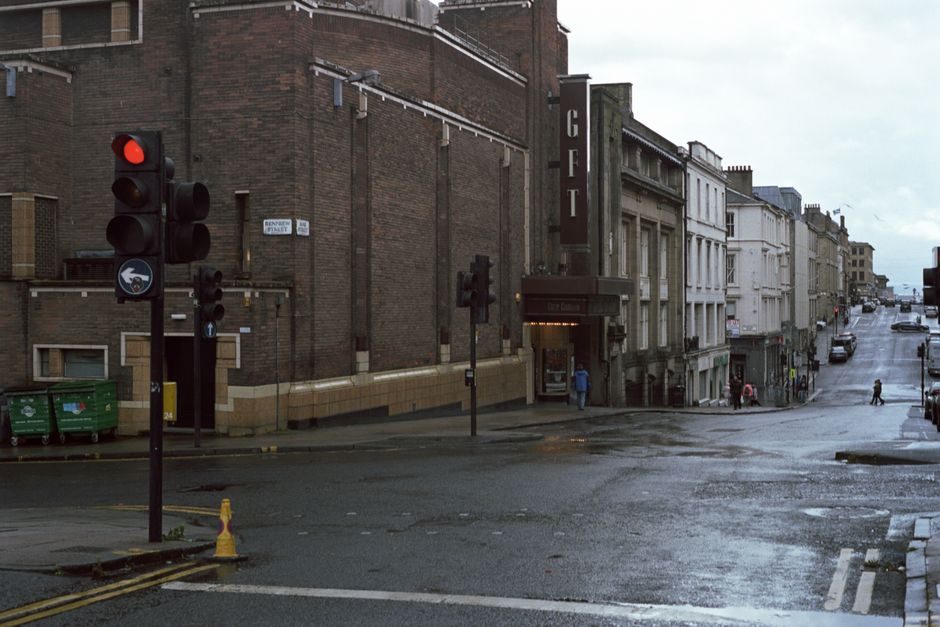
Tracking a developing story
Begin with the headline and dateline to gauge immediacy. Follow subsequent updates that fill in names, numbers and timelines. The pattern is a shift from initial reports to fuller context. A useful resource on this topic: list your event in Glasgow.
Watch for clarifications that address missing details and potential corrections. Early versions may change as officials speak and more witnesses are cited.
Record the core facts as they stabilize to avoid misrepresenting evolving information.
- Identify key players
- Note time sequence
- Gather corroborating details
- Update notes as facts change
Choosing what to read first
Prioritise sources with public accountability, such as city councils or police briefings. Local journalists often provide sharper context about how a story affects residents. Avoid paywalls that block essential follow-ups on urgent topics.
Use a simple triage: what happened, who is involved, what’s next. This helps you filter rumours and focus on reliable updates.
Keep an eye on official timelines to understand when investigations or decisions may conclude.
- Prioritise official sources
- Cross-check with multiple outlets
- Note potential biases
- Follow up with official statements
Options for staying informed in Glasgow
How to set up reliable feeds
Choose feeds that consistently cite sources and publish corrections. Organise them into categories such as breaking, local government, transport and culture. Review the coverage rhythm to avoid information gaps. A useful resource on this topic: add your business to the Glasgow business directory.
- ☐ Select credible outlets
- ☐ Create distinct categories
- ☐ Turn on alerts
- ☐ Review daily summaries
Use a single trusted aggregator to avoid fragmented sources. This reduces the chance of conflicting headlines and helps you track a story more easily.
Regularly prune feeds to keep only dependable outlets and official accounts.
- Curate 4–6 sources
- Enable alerts for top stories
- Archive important updates for reference
- Distinguish follow-ups from initial posts
| Method | Pros | Cons |
|---|---|---|
| Official feeds | Timely and reliable updates | Can miss local nuance if not complemented by local outlets |
| Aggregated briefings | Efficient overview | May still require cross-checking for specifics |
| Public records | Strong verification | Access can be slower and more complex |
Alternatives to scrolling endlessly
If you’re pressed for time, read a concise briefing from a trusted outlet. It should cover what happened, who’s involved and what to watch next. This saves you from chasing every breaking post.
Attend or watch public meetings when possible; direct attendance provides context that online posts can miss. Summaries from these events help verify coverage.
Use official channels for status updates during disruptions to avoid misinformation.
- Briefings over breaking posts
- Attend meetings when feasible
- Use official disruption notices
- Cross-check urgent claims
Rumour and breathless language spread quickly online; resisting those impulses protects accuracy.
Pitfalls to avoid in Glasgow reporting

Common misunderstandings
Early reports can overstate impact or misidentify individuals. Rushing to publish can propagate errors. Take time to assess names, numbers and locations before sharing. A useful resource on this topic: place an advert in Glasgow.
Rumour and breathless language spread quickly online; resisting those impulses protects accuracy. Prefer measured statements and verified sources.
Look for official corrections or retractions and update your notes accordingly.
- Avoid naming individuals prematurely
- Resist sensational language
- Seek official corrections
- Keep notes updated
When to doubt a source
Established outlets can still misinterpret a developing story. If a report lacks primary sourcing or dates, treat it with caution. Fall back to outlets with a record of careful updates.
In contested stories, compare at least two independent outlets and watch for follow-up corrections. This reduces blind spots and errors.
If authorities urge restraint or say information is incomplete, reflect that uncertainty in your coverage.
- Check for named sources
- Look for corroboration
- Note absence of detail
- Be explicit about uncertainty
How to react to fast-moving Glasgow stories
Immediate verification tactics
When a Glasgow story breaks, verify key facts before sharing details. Check multiple reputable outlets and look for corroboration from official channels. This reduces the spread of rumors and helps readers distinguish between early reports and confirmed information. place an obituary in Glasgow is part of the local notices that readers may see alongside breaking news in Glasgow.
- Verify central facts with at least two independent sources
- Seek official statements and document timing
- Avoid premature conclusions or definitive language
Next, identify what is confirmed versus what is still unclear. Note timelines, locations, and affected groups to avoid speculation. This clarity helps readers follow how a developing story unfolds without feeling overwhelmed.
Finally, distinguish on-the-record statements from social media chatter. Quote official sources when possible and avoid amplifying unverified claims. A careful balance preserves trust and keeps coverage grounded in verifiable facts.
- Cross-check two independent sources
- Log trusted official statements
- Avoid sharing unverified details
- Quote accurately and attribute
Impact on daily life and services in Glasgow

Visible effects on daily routines
When events disrupt transport or utilities, notice how commuting times change and service hours shift. Readers benefit from practical details like altered bus routes or closing times. These specifics help households plan the day and reduce disruption.
Next, assess how schools, hospitals, and local businesses respond. Reports on closures, emergency measures, or volunteer opportunities give communities concrete avenues to respond. Clarity about these impacts keeps residents prepared rather than reactive.
Finally, explain the timeline for recovery or mitigations. If services resume gradually, outline milestones and what residents should watch for. This fosters informed decision-making and a sense of shared progress.
- Note route or schedule changes
- Highlight closures and reopening dates
- Identify where to access official updates
- Explain how to seek help or report issues
Community voices in Glasgow news coverage
Voices from residents and groups
Involve a range of residents, from tenants to local workers, to reflect diverse experiences of events. Include quotes, where possible, that illustrate impact without sensationalism. Balanced representation helps readers understand how issues touch everyday lives.
Next, feature grassroots organisations and community leaders who respond to events. Their actions illuminate resilience and local priorities, offering readers a grounded perspective beyond official statements.
Finally, explain how readers can share their views or corrections. Clear channels for feedback maintain accuracy and encourage accountability without gatekeeping.
- Include diverse perspectives
- Highlight local activism and responses
- Provide pathways for reader input
- Clarify how corrections are handled
Ethical journalism and accountability in Glasgow reporting

Standards for accuracy and accountability
Ethical reporting begins with careful sourcing and transparent corrections. Describe how information is verified and when updates occur to reflect new details. This approach supports trust and accountability in fast-moving news cycles.
Next, outline how editors weigh competing claims and what gets published. Readers benefit from understanding the editorial process, including how decisions are made when information is incomplete or conflicting.
Finally, spell out how corrections are issued and tracked. A visible correction policy demonstrates commitment to reliability and helps prevent rumours from taking hold.
- Transparent sourcing practices
- Visible editorial accountability
- Clear correction process
- Avoiding sensational framing
Frequently asked questions
What counts as the latest news in Glasgow?The term covers current reports about events that affect the city and its residents, including ongoing developments and official statements. It focuses on information that readers in Glasgow need to know now.
How can I verify a developing story?Consult multiple credible outlets and official sources for confirmation. Look for precise details such as locations, times, and named authorities, and be cautious with unverified social media posts.
Where can I find reliable updates for daily life in Glasgow?Local broadcasters, council sites, and established regional news outlets usually publish service changes and safety guidance. Bookmark a few trusted sources for quick updates.
What should I do if I spot misinformation?Pause social sharing, check credible sources, and consider contacting the publisher to report potential errors. Helpful corrections improve overall accuracy for everyone.
Conclusion: next steps for readers
Staying informed in Glasgow means relying on verified reports, checking official updates, and listening to community voices that reflect local experiences. Take a moment to identify two trusted sources you will monitor regularly.
Keep a simple routine: check your chosen outlets every morning and again during peak breaking news hours. This habit helps you understand how events unfold and what actions might affect your day.
Add Crawley News: Latest Local Updates, Weather & Events as a preferred source on Google


