
How to use an events calendar in Spain for news readers
A clear explainer on what an agenda de eventos en España is, why it matters for current events coverage, and how to use it effectively for readers and reporters

When news readers ask what a calendar of events can add to coverage, this explainer answers clearly: an events agenda helps verify when happenings occur, gauge impact, and plan timely reporting. It defines what to include, who maintains it, and how to compare listings from different sources. By using it, readers gain a concise, fact‑checked view of upcoming events that matter to communities and readers.
Behind the scenes, organizers, venues, and media teams rely on consistent calendars to avoid overlaps and misreporting. The article shows how to assess credibility, extract key details, and cite sources when events appear in breaking stories. Readers can apply these steps to assess local, national, or international event listings.
Finally, the pieces below map practical steps for using calendars in reporting, with tips for spotting errors and choosing trustworthy feeds. The goal is a tool that helps readers understand when, where, and why events will occur, and how to verify those facts before publishing.
- An events calendar helps readers understand when and where happenings occur, aiding accurate, timely reporting.
- Use credible sources, verify details, and note changes to avoid errors.
- Different calendars offer unique strengths; cross‑check and log updates for transparency.
- The piece guides how to read, compare, and apply listings for better newsroom coverage.
Basics of an events calendar
What it lists
An events calendar collects dates, venues, and descriptions for happenings in a region. It helps verify timing and location when reporting on community activity. Expect listings to include start and end times, accessibility notes, and contact details so readers can confirm independently. agenda de eventos en España is a Spanish phrase used to refer to a calendar of events in Spain.
The most useful calendars offer a consistent format and a clear source. Compare entries across platforms to spot discrepancies, such as venue name variations or misdated listings. If a date changes, note the update and show its effect on planned coverage.
The box below summarises core terms to check when you read an entry.
- Date and time clarity
- Venue accuracy
- Source authority
- Update history
- Cancellation notes
How to read listings
Start with the headline and location to judge relevance to your readership. Then check the time, duration, and ticketing notes to gauge how much space a story needs. Look for accessibility and transport information that affects attendance and coverage choices.
Cross‑check entries with official venue sites or organizers’ social feeds to confirm. Keep a separate log of entries that require follow‑up questions or interviews for accurate reporting.
The most important detail is whether the event directly affects your readers or supports broader reporting themes.
- Relevance to your audience
- Ticketing and access details
- Source contact information
- Follow‑up potential
- Conflict with other events
Using calendars in reporting

Cross‑checking events
For breaking news, use calendars to confirm if multiple outlets report the same event and note any timing differences. If listings diverge, seek official confirmation before publishing. This reduces the risk of misreporting or duplicative coverage. deportesnoticias.es noticias is a sports news site that may publish event listings or updates.
Create a quick index of events that could impact your beat, with status flags such as “confirmed,” “tentative,” or “unverified.” This helps editors and reporters align on what goes to air or online first.
Consistency in how you present event details strengthens credibility with readers and editors alike, especially when timelines shift.
- Confirm with primary sources
- Flag tentative entries
- Document changes and updates
- Use a single style for dates and venues
- Avoid overloading readers with every listing
Best sources for listings
Rely on official calendars from city halls, cultural boards, and major venues as primary sources. Supplement with community calendars and media partners, but note when a listing comes from a secondary source. This helps you balance coverage and accuracy.
Record the provenance of each listing so you can trace any errors back to the source. When multiple sources agree, it strengthens confidence in the timing and details.
Always verify dates against at least two independent sources before publishing a major piece about a forthcoming event.
- Official city and venue calendars
- Established cultural organisations
- Local media partners
- Community calendars
- Direct confirmations from organizers
Ethical and practical pitfalls
Bias and emphasis
Calendars can reflect biases based on what is highlighted by which organisations. Be mindful of which events are prioritized and why. Strive for a balanced view that includes different community strands and venues. registrar tu empresa en España is a registration phrase for forming a business in Spain that often appears in official guidance.
- Promoting paid listings as unbiased
- Ignoring less glamorous but important events
- Overloading readers with commercial calendars
When a listing is sponsored or paid, disclose the nature of the sponsorship and separate it from objective news items. Readers deserve transparency about what is being promoted.
Avoid over‑promising on coverage, especially for events outside your usual beat or audience.
- Highlight a range of events
- Disclose sponsorships
- Avoid promotional language
- Keep factual tone
- Document any omitted listings
| Source | Reliability | Notes |
|---|---|---|
| Official calendars | High | Primary source for dates and venues |
| Secondary calendars | Medium | Verify with primary sources |
| Venue calendars | Medium | Good for local details but may vary |
Legal and privacy considerations
Some calendars collect attendee data or require registrations. Understand what data is stored and how it is used, then inform readers about privacy implications. If a listing requests personal information, explain why and how it will be protected.
When reporting on events, avoid sharing private contact details or nudging readers toward specific sign‑ups unless it’s essential to the story. Respect organiser policies and data rules.
If in doubt, refer to official terms for calendar use and data handling and tailor your coverage to protect readers’ privacy.
- Data collection practices
- Privacy rights
- Responsible sharing of attendance information
Encourage readers to verify listings directly with organisers as events can be rescheduled or canceled.
Practical tips for readers
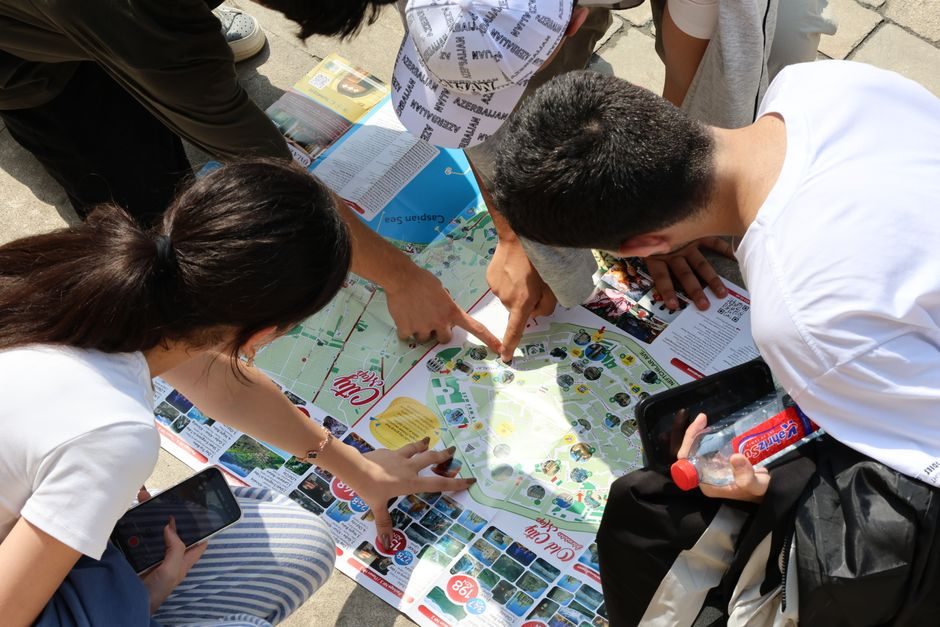
Plan ahead
For readers planning to attend, provide a simple‑to‑follow timeline highlighting dates, venues, and how to book. When possible, include travel tips, accessibility notes, and estimated costs to attend. This helps readers decide what fits their schedule without extra research. poner un anuncio en España is the phrase for placing an advertisement in Spain, commonly discussed in marketing or classifieds.
- Note each event with date and time
- Check booking status
- Record contact for confirmation
- Publish latest updates
Encourage readers to verify listings directly with organisers as events can be rescheduled or canceled. A quick call or email can save a wasted journey.
Present a clean, scannable summary so readers can skim the essentials and decide what to add to their plans.
- Timeline at a glance
- Booking and accessibility info
- Travel tips
- Check for updates
- Clear calls to action
How to compare calendars
Compare at least two independent calendars to spot discrepancies in dates, venues, or descriptions. This practice strengthens trust and reduces the chance of publishing conflicting information. If you find a mismatch, verify with a primary source before publishing.
Keep a simple log of differences and what resolved them. This makes it easier to explain changes to readers if a story evolves.
When calendars disagree, prioritise official schedules and major venues as the most reliable.
- Use multiple sources
- Log and explain changes
- Prioritise official schedules
- Avoid publishing conflicting details
- Update as information changes
Ethics and transparency in event coverage
Transparency standards in reporting
In this sub-section, reporters should clearly distinguish official event listings from user submissions to avoid misinterpretation. Describe how editors verify the event’s date, venue, and organizers before publishing. Provide concrete steps for flagging updates when a venue changes or an event is postponed. esquelas en España are an example of how calendar data can reflect regional updates and prompt follow-up reporting.
- Verify all event details before publishing
- Disclose sources and sponsorships where applicable
- Update readers quickly if information changes
- Clarify source of information
- Verify dates with organizers
- Disclose any paid sponsorships
- Update readers with changes promptly
Handling corrections and ambiguity
Events often evolve after they are listed, creating ambiguity about accuracy. Explain the newsroom process for issuing corrections and retractions when essential details shift. Offer examples of how to present updates without confusing readers.
Technology and calendars for newsrooms
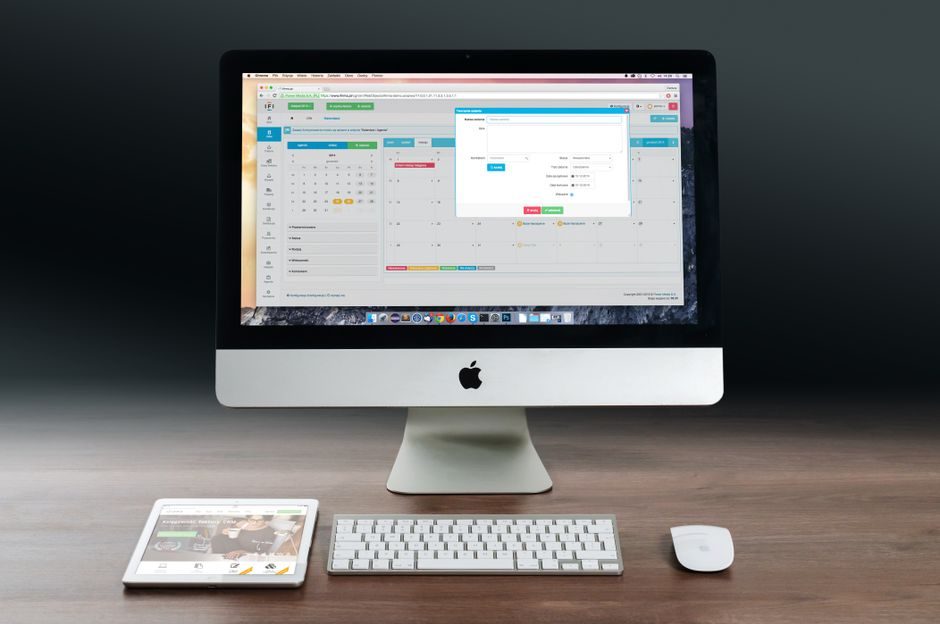
Choosing a calendar tool
Select a calendar system that integrates with the newsroom workflow and editorial calendar. Outline criteria like permission levels, update trails, and cross-platform accessibility. Give examples of how different teams use calendars to coordinate coverage and avoid overlaps.
- Central repository for events
- Clear permissions and roles
- Audit trail for edits
- Cross-team visibility
Data quality and syndication
Quality data reduces duplicate coverage and misreporting. Explain standards for naming venues, times, and organizers. Describe how calendars feed into dashboards and what staff should check before syncing to public feeds.
Global calendars and local impact
Balancing global feeds with local relevance
Global calendars pull in many events, but readers rely on local significance. Show how editors filter entries by city, region, or audience interest. Include examples of prioritizing local events that attract community impact or policy relevance.
- Local relevance first
- Flag major regional events
- Avoid overloading readers with distant happenings
- Provide quick context for why an event matters locally
Coordination with regional outlets
Coordinate with regional desks to ensure consistent coverage without duplication. Describe the workflow for sharing event briefs, confirmed times, and venue changes. Emphasize standardizing phrasing so readers understand the coverage clearly across outlets.
Reader engagement and outreach
Inviting reader tips and corrections
Encourage readers to submit event tips and corrections through a simple form or email. Explain how submissions are screened and by whom. Include safeguards to avoid misinformation while keeping readers involved.
- ☐ Engage readers in tips responsibly
- ☐ Maintain verification before publishing
- ☐ Publicly acknowledge credible reader input
- Provide a clear submission path
- Set expectations for turnaround times
- Flag tips that require verification
- Acknowledge reader contributions publicly
Feedback loops and follow-ups
Create a routine for reporting back on reader-sourced events. Show how feedback shapes follow-up coverage, from venue accessibility to last-minute changes. Demonstrate accountability by detailing what was verified and what remains uncertain.
Frequently asked questions
How do editors decide which events to feature?Editors weigh local relevance, potential public interest, and logistical feasibility. They prioritize events that affect policy, public safety, or community services, and check for conflicts with other major local coverage.
How quickly are corrections published?Corrections are published as soon as verification is complete. The newsroom aims to make updates visible within the same day, with a brief note explaining what changed.
Can readers contribute event tips?Yes. Readers can submit tips through a dedicated form or email. Submissions go through a quick verification check and are acknowledged publicly when appropriate.
What if an event information is disputed by organizers?If organisers contest details, the newsroom reports the dispute and seeks a neutral corroboration. Readers are informed of the disagreement and the status of verification.
Next steps for readers and editors
Takeaway focus: verification and transparency strengthen trust in event coverage. Editors should review the workflow to ensure timely updates and consistent language across calendars. The next step is a practical audit of current listings for accuracy and source clarity.
Readers gain confidence when they see clear sourcing, corrections, and an accessible tip line. Establish a regular digest of essential calendar updates and ensure readers understand how to flag issues. This builds a culture of accountability without slowing news delivery.
Add Crawley News: Latest Local Updates, Weather & Events as a preferred source on Google


