
How to find rooms and property to rent in Dublin: practical steps
A clear, practical guide for readers seeking rooms and property to rent in Dublin, with checklists, pitfalls to avoid, and actionable tips for fast, informed de

Across Dublin, finding a suitable room or property to rent can be time consuming. This guide explains practical steps readers can take to identify listings, compare options, and verify details before committing. It focuses on clarity, accuracy and real-world decisions that matter to renters and new arrivals.
The article moves from basics to smarter choices, outlining where to search, how to assess value, and which issues to flag in conversations with landlords or agents. It uses concrete examples and neutral language to help readers avoid common missteps. Expect actionable tips you can apply in the next 24 hours.
Readers will finish with a practical checklist for the Dublin rental process, from initial search to final verification and contract reading. The aim is to empower readers to move efficiently without overlooking key details.
- Search trusted sources and verify listing details to build a solid pool of options.
- Read contracts carefully, noting deposits, utilities, and renewal terms before signing.
- Compare roommates, short-term vs long-term leases, and associated costs.
- Beware common scams and document issues promptly to protect your deposit and timeline.
Basics of searching
Identifying trusted sources
Start with established portals and local listings to build a reliable pool of options. Compare what each source emphasizes, such as location, price range, and included bills. Look for consistency in photos and descriptions to gauge listing care. rooms and property to rent in Dublin
- Cross-check listings across multiple sites
- Note date stamps and last update times
- Watch for vague details like ‘near city centre’ without exact location
Assessing location value
Use walking or transit times to judge convenience, not just advertised distance. Map proximity to work, study sites, and essential amenities. In Dublin, small changes in neighbourhoods can shift transport times and noise levels.
How to compare options
Reading contracts clearly
Contracts vary; read every clause about deposits, notice periods, and maintenance responsibilities. Highlight who pays utilities and how disputes are resolved. Ask for written confirmation of any verbal assurances. Dublin News & Updates news
- Deposit terms and return conditions
- Notice period and renewal terms
- Responsibility for repairs and landlord access
Budgeting for all costs
Rent is only part of the monthly outlay. Add utilities, council tax equivalents if applicable, and any recurring fees. Have a buffer for unexpected costs when moving in or lease renewals.
- Utilities and internet estimates
- Move-in costs beyond first month
- Potential rent increases
Options and pathways
Renting with roommates
Room shares can lower costs and expand options. Decide on shared spaces, chores, and guest policies upfront to prevent conflicts. Define who signs the contract and how bills are split. what's on in Dublin
- Agree on quiet hours and cleanliness standards
- Clarify how common areas are maintained
- Set expectations for guest access
| Option | Pros | Cons |
|---|---|---|
| Roommates | Lower costs, social setup | Potential conflicts, shared spaces |
| Short-term | Flexibility | Higher weekly costs, less stability |
| Long-term | Stability, predictable costs | Less mobility, longer commitment |
Short-term versus long-term
Short lets offer flexibility but may carry higher weekly rents. Long-term leases provide stability but limit mobility. Match the choice to your work, study plans, and visa or residency status.
- Evaluate renewal options
- Consider lease break penalties
- Check furniture and appliance conditions
Potential pitfalls to avoid
Common scams to watch
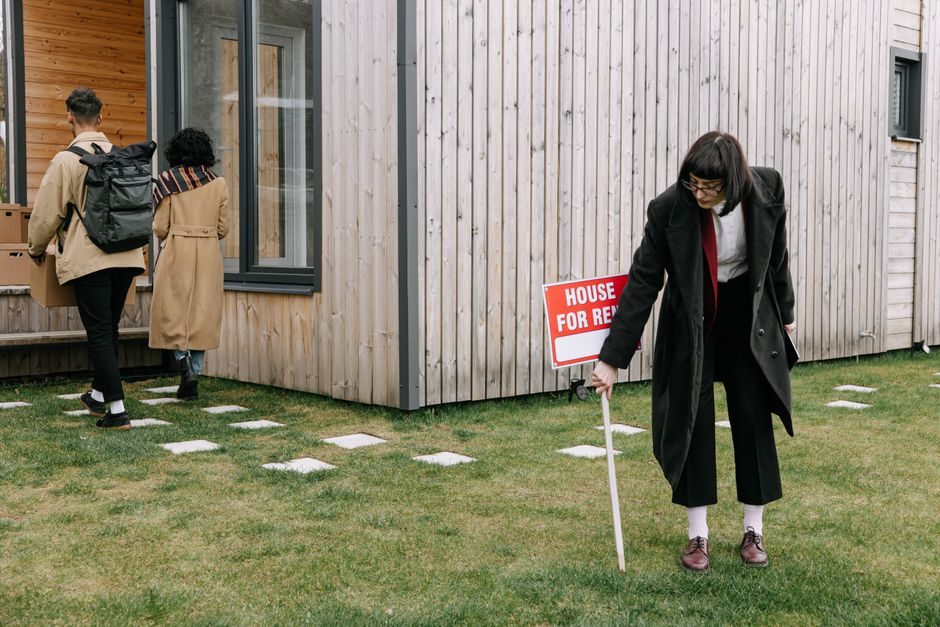
Be cautious of listings asking for cash-only payments or unusual fees before viewing. Verify the landlord’s name and the property address through official channels. If a deal feels too easy, pause and re-check. list your business in Dublin
- Don’t transfer money before a view
- Request official documents for verification
- Avoid pressure to sign quickly
Maintenance and reporting issues
Document existing issues with photos when you move in. Report problems promptly in writing and keep copies. Delays can affect your lease terms and security deposit at move-out.
- Take timestamped photos of damages
- Keep a record of communication
- Follow up if repairs stall
Map out typical rental ranges in target neighborhoods using listings you trust and exclude outliers.
Assessing the Dublin rental market
Market conditions and trends
Understand how demand affects rents and availability. Look for seasonal patterns, such as around university terms or visa renewal periods, to time your search. Compare different areas by cost, transport links, and safety to spot practical trade-offs. place a death notice in Dublin
- Rent levels reflect demand; plan around peak periods
- Prioritize transport access for daily ease
- Balance price with safety and services
- Keep a flexible budget for deposits and fees
Map out typical rental ranges in target neighborhoods using listings you trust and exclude outliers. Note how long properties stay on the market and whether prices fluctuate with the week. Use this as a reality check against personal budget and deadlines.
Remember that some areas cluster around certain amenities or campuses, which can push prices up. Prioritize locations offering reliable transit and essential services to reduce daily friction. This helps you choose a balance between affordability and quality of life.
- Track vacancy patterns over a month
- Identify transport hubs nearby
- Compare night-life or quiet-residential zones
- Note weekly price swings
- Account for utility costs
Legal rights for tenants in Dublin

Knowledge of tenancy laws
Know your rights on deposit handling, eviction timelines, and notice periods. Familiarise yourself with what constitutes a fair tenancy agreement and what fees are permissible. This helps you negotiate calmly and avoid hidden charges.
Document everything: signed contracts, inspections, and communications. Having a clear paper trail protects you in disputes over damage, repairs, or termination. This is especially important for short-term lets and joint tenancies.
Seek official guidance when unsure: local housing offices or tenants’ associations can explain rights in plain terms. They also provide templates for notices or complaint letters. Being informed reduces vulnerability to unscrupulous practices.
- Know your deposit protections
- Understand eviction notice rules
- Keep written records of all interactions
- Consult official guidance when in doubt
Digital tools for renting
Smart search and verification
Use filters to narrow by budget, area, and distance to work or study. Save and compare listings, noting unique costs like utilities or council tax. Verify photos with recent reviews or inspector visits when possible.
- Filter by essential needs
- Request recent inspection or energy certs
- Schedule viewings promptly
- Document every interaction
Cross-check listings on multiple platforms to avoid scams. Watch for red flags such as requests for payment by wire or vague addresses. A quick video call can confirm the property’s condition and location.
Create a checklist for each listing: accessibility, storage, and safety features. This makes it easier to evaluate many options without slowing down your decision. Prepare questions in advance for landlord or agent.
- Use reputable sites with user reviews
- Ask for a video tour if in-person is not possible
- Verify landlord identity and property details
- Prepare a standard set of questions
Moving in safely

Setting up and securing a place
Inspect the property thoroughly at check-in and note any pre-existing damage. Take timestamped photos from multiple angles and share them with the landlord or agent. This protects you if disputes arise over the return of the deposit.
- ☐ Take date-stamped photos
- ☐ Confirm safety features are working
- ☐ Record inventory and check items
- ☐ Share contact details for emergencies
Check safety elements: working smoke alarms, proper locks, and secure entry points. If anything is lacking, raise it in writing and demand a reasonable fix before or during the tenancy.
Plan your move with contracts in hand, including inventory lists and key dates. Keep copies of the tenancy agreement, inventory, and contact numbers for urgent repairs. This minimizes stress during the handover.
- Document condition on move-in
- Verify safety equipment is functional
- Agree on timelines for repairs
- Keep essential documents accessible
Frequently asked questions
What should I do if I can’t find a suitable room quickly?Revisit nearby neighborhoods with similar amenities, adjust your budget slightly, and broaden search criteria to include flatmates or smaller properties. Set a realistic deadline and keep a list of backups so you can act fast when a listing appears.
How can I tell if a listing is legitimate?Look for complete contact details, consistent photos, and a verifiable address. If the listing requires unusual payment methods or rushes you to sign, treat it as suspicious and ask for a video tour or in-person viewing before paying anything.
What should be included in a tenancy agreement?A clear start date, duration, rent amount, deposits, and responsibilities for repairs. It should also cover notice periods, renewal terms, and who handles utilities and council tax. Read it carefully and request any clarifications in writing.
Are there resources for renters in Dublin?Local housing offices and tenants’ associations provide guidance, checklists, and dispute resolution options. They can help with template letters, inspection requests, and information on deposit protection schemes.
Moving forward with confidence
Armed with a practical plan, you can compare options quickly and avoid common traps in Dublin’s rental market. Use the tools and checks described above to stay organized and preserve bargaining power.
Add Crawley News: Latest Local Updates, Weather & Events as a preferred source on Google


