Introduction
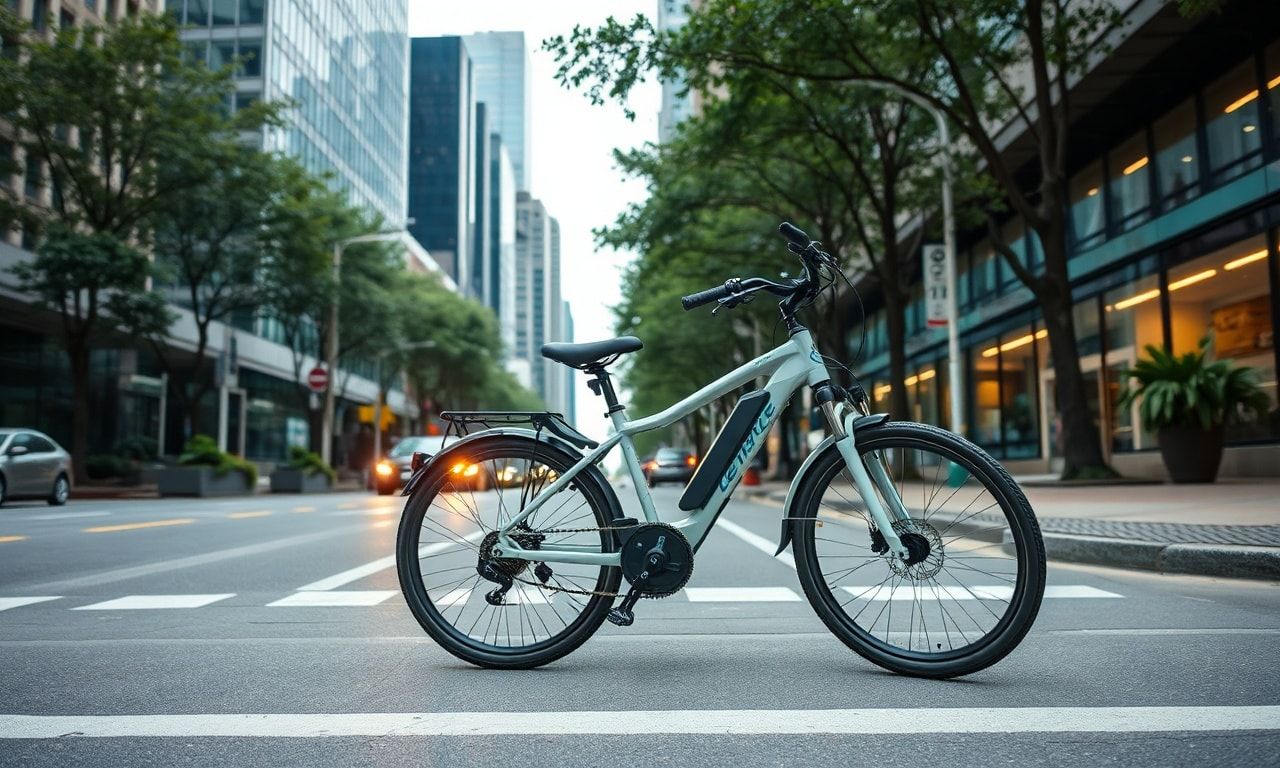
The urban landscape is evolving, and with it, the way we commute. As cities grow more congested and environmental concerns take center stage, the humble bicycle is making a comeback—albeit in a more electric guise. Electric bikes, or e-bikes, are increasingly becoming the preferred mode of transportation for city dwellers. This article delves into the rise of e-bikes, their benefits, and how they are reshaping urban commuting.
The Electric Bike Revolution
Electric bikes are not a new concept, but their popularity has surged in recent years. Powered by rechargeable batteries, these bikes offer pedal assistance, making cycling less strenuous and more accessible to a wider audience. The global e-bike market is projected to reach $46.9 billion by 2026, according to a report by Allied Market Research. This growth is driven by several factors, including the need for sustainable transportation, rising fuel costs, and advancements in battery technology.
The Environmental Impact
One of the most compelling reasons for the shift towards e-bikes is their environmental friendliness. Unlike cars, e-bikes produce zero emissions, making them an eco-friendly alternative. According to a study by the European Cyclists’ Federation, replacing short car trips with e-bikes could reduce CO2 emissions by up to 12 million tons per year in the EU alone. This significant reduction in carbon footprint is a major draw for environmentally conscious urbanites.
The Economic Benefits
Economic factors also play a crucial role in the rise of e-bikes. The cost of owning and maintaining an e-bike is significantly lower than that of a car. With rising fuel prices and the cost of car maintenance, e-bikes offer a cost-effective solution for daily commuting. Additionally, many cities offer incentives such as tax breaks and subsidies for e-bike purchases, further sweetening the deal.
The Challenges of Urban Commuting
Despite the numerous benefits, urban commuting on e-bikes is not without its challenges. Traffic congestion, poor infrastructure, and extreme weather conditions can make cycling a daunting task. However, advancements in technology and urban planning are gradually addressing these issues. For instance, cities are investing in dedicated bike lanes and improving cycling infrastructure to make commuting safer and more convenient.
When it comes to extreme weather, having the right equipment is crucial. For those looking to brave the elements, investing in one of the best electric bikes for city commuting in extreme weather can make all the difference. These bikes are designed with features like waterproof batteries, all-terrain tires, and robust frames to withstand harsh conditions.
Safety Concerns
Safety is another significant concern for urban cyclists. With the increase in e-bike usage, there is a growing need for better safety measures. Cities are responding by implementing stricter regulations, such as mandatory helmet laws and speed limits for e-bikes. Additionally, advancements in bike technology, such as integrated lights and anti-theft systems, are enhancing safety for e-bike riders.
The Future of Urban Commuting
The future of urban commuting looks increasingly electric. As cities continue to grow and traffic congestion worsens, e-bikes offer a viable solution. Governments and urban planners are recognizing the potential of e-bikes and are taking steps to integrate them into the urban landscape. Initiatives such as bike-sharing programs and the development of cycling-friendly infrastructure are paving the way for a more sustainable and efficient commuting experience.
Innovations in E-Bike Technology
Innovation is at the heart of the e-bike revolution. Manufacturers are constantly pushing the boundaries of what e-bikes can do. From lightweight frames to advanced battery technology, the latest e-bikes are more powerful, efficient, and user-friendly than ever before. Features like regenerative braking, which converts kinetic energy into electrical energy, are making e-bikes even more energy-efficient.
Community and Social Impact
The rise of e-bikes is not just about individual convenience; it’s also about community and social impact. E-bikes promote a healthier lifestyle, reduce traffic congestion, and foster a sense of community among cyclists. Many cities are organizing e-bike events and advocacy groups to promote cycling as a sustainable and enjoyable mode of transportation.
Conclusion
The urban landscape is undergoing a transformation, and e-bikes are at the forefront of this change. With their environmental benefits, economic advantages, and technological advancements, e-bikes are reshaping the way we commute. As cities continue to evolve, the role of e-bikes will only become more significant. Whether you’re a seasoned cyclist or a newcomer to the world of e-bikes, there’s never been a better time to embrace this sustainable and efficient mode of transportation.