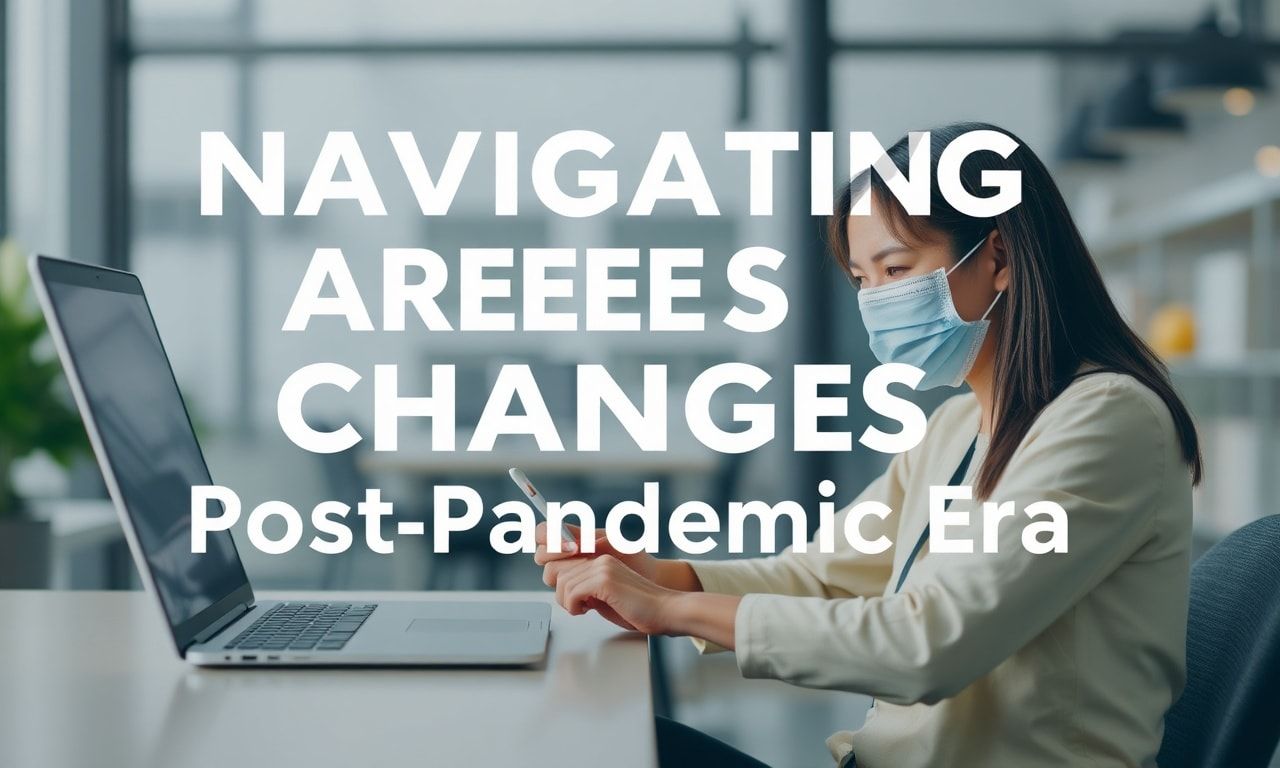
The Great Resignation: A Shift in Career Dynamics
The COVID-19 pandemic has brought about significant changes in the way we work and view our careers. The phenomenon known as the “Great Resignation” has seen millions of people worldwide re-evaluating their job satisfaction and life goals. According to a recent study by Microsoft, over 40% of the global workforce is considering leaving their current employers this year. This shift has led to an increased demand for resources and guidance on career transitions.
The reasons behind this mass exodus are multifaceted. Factors such as burnout, the desire for better work-life balance, and the pursuit of more fulfilling roles have all contributed to this trend. As a result, individuals are seeking out the best online resources for career changers to help them navigate this complex landscape.
Identifying Your Career Goals
Before embarking on a career change, it is crucial to identify your goals and what you hope to achieve. This process involves self-reflection and an honest assessment of your skills, interests, and values. Consider what aspects of your current job you enjoy and which ones you dislike. This can help you determine what you are looking for in your next role.
It can also be beneficial to seek the advice of career counselors or coaches. These professionals can provide valuable insights and help you clarify your career objectives. Additionally, online assessments and quizzes can offer guidance on potential career paths that align with your personality and skills.
Upskilling and Reskilling: The Key to Career Transition
In today’s rapidly evolving job market, upskilling and reskilling are essential for career changers. The demand for digital literacy and technical skills continues to grow, making it crucial for individuals to stay updated with the latest trends and technologies. Online learning platforms offer a wealth of courses and certifications that can help you acquire the necessary skills for your desired career.
Websites like Coursera, Udemy, and LinkedIn Learning provide a wide range of courses in various fields, from data science and digital marketing to project management and graphic design. These platforms offer flexible learning options, allowing you to study at your own pace and convenience. Investing in your education and skill development can significantly enhance your employability and open up new career opportunities.
Networking and Building Professional Relationships
Networking plays a vital role in career transitions. Building a strong professional network can provide you with valuable connections, job leads, and industry insights. Attending industry events, joining professional organizations, and participating in online forums can help you expand your network and learn from experienced professionals.
LinkedIn is an excellent platform for networking and connecting with industry leaders. Engaging with content, joining relevant groups, and participating in discussions can help you establish your presence and build meaningful relationships. Additionally, seeking mentorship from experienced professionals can provide guidance and support as you navigate your career change.
Leveraging Online Resources for Career Changers
In the digital age, there is an abundance of online resources available to support career changers. From job search platforms and career advice blogs to online communities and webinars, these resources can provide valuable information and guidance. For instance, best online resources for career changers offer a wealth of information on career planning, job search strategies, and interview tips.
Websites like Indeed, Glassdoor, and LinkedIn are popular job search platforms that allow you to explore job opportunities, research companies, and apply for positions. Career advice blogs and podcasts offer insights and tips from industry experts, helping you stay informed about the latest trends and best practices. Online communities and forums provide a space for career changers to connect, share experiences, and seek advice from peers.
Overcoming Challenges and Staying Motivated
Career transitions can be challenging and may come with their fair share of setbacks. It is essential to stay motivated and persistent in pursuing your goals. Surround yourself with a supportive network of friends, family, and mentors who can offer encouragement and guidance during difficult times.
Setting realistic goals and celebrating small victories can help you stay motivated and focused. Remember that career transitions take time, and it is okay to encounter obstacles along the way. Staying resilient and maintaining a positive attitude can help you overcome challenges and achieve your career objectives.
In conclusion, navigating a career change in a post-pandemic world requires careful planning, self-reflection, and a commitment to continuous learning. By identifying your career goals, upskilling and reskilling, building a strong professional network, leveraging online resources, and staying motivated, you can successfully transition to a fulfilling and rewarding career. Embrace the journey of career change as an opportunity for growth and self-discovery, and take the necessary steps to achieve your professional aspirations.
Amidst a tumultuous academic year, Iowa students have showcased remarkable resilience in the arts, as detailed in our report on Iowa’s national art competition success.
As the digital landscape continues to reshape our lives, understanding how to maintain a healthy work-life balance is more important than ever. Our latest feature, navigating digital age boundaries, offers practical advice for thriving in this new reality.
For a deeper understanding of this topic, The Spiritual Significance of Food in offers valuable insights worth exploring.