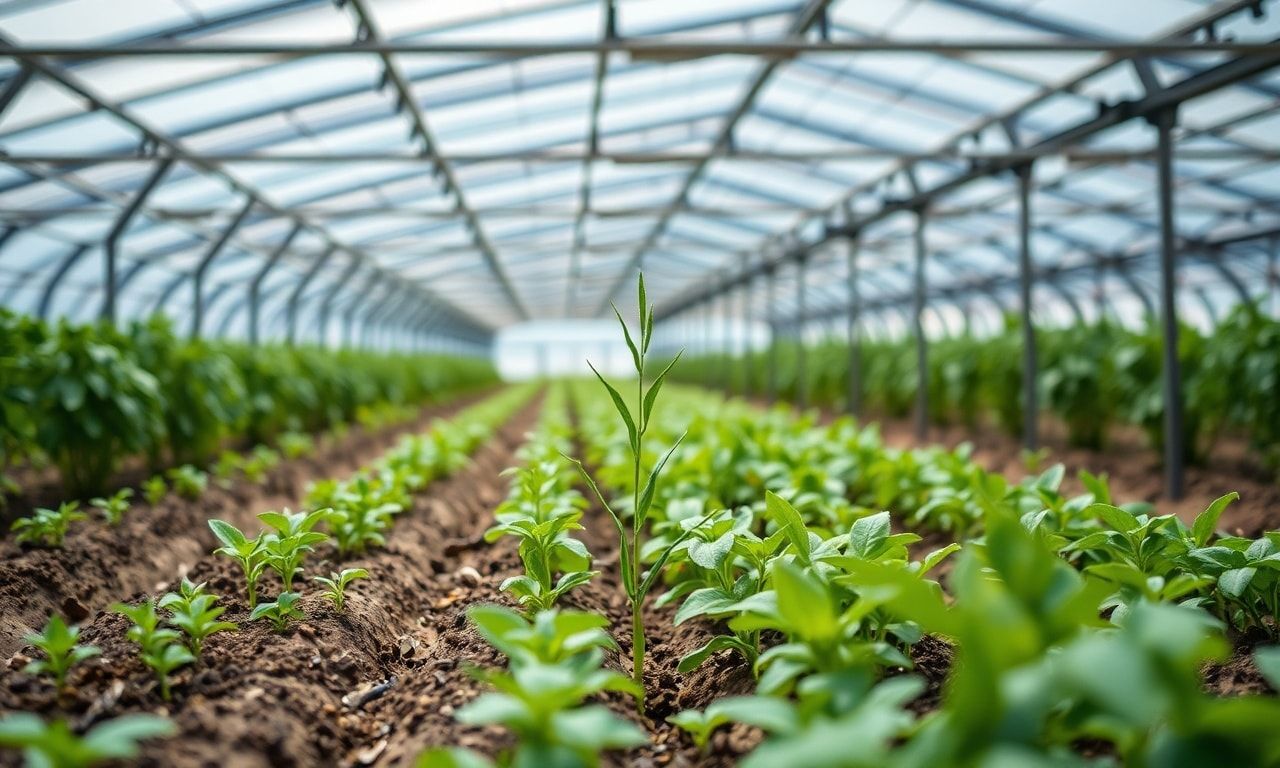
The Evolution of Agriculture
Agriculture has come a long way from its humble beginnings. What once relied solely on manual labor and the whims of nature has transformed into a high-tech industry. The integration of technology in farming practices has revolutionized the way we produce food, making it more efficient, sustainable, and profitable. As we look towards the future, the pace of innovation shows no signs of slowing down.
The Role of Technology in Modern Farming
Technology has become an integral part of modern agriculture. From precision farming techniques to advanced irrigation systems, technology is helping farmers maximize their yields while minimizing waste. Drones, satellites, and sensors are now commonly used to monitor crops, soil health, and weather conditions. These tools provide real-time data that farmers can use to make informed decisions.
One of the most significant advancements in agricultural technology is the use of artificial intelligence (AI) and machine learning. These technologies are being used to analyze vast amounts of data to predict crop yields, detect diseases, and optimize planting and harvesting schedules. AI-powered systems can also help farmers manage their resources more effectively, reducing costs and increasing profitability.
The Impact of AI on Agricultural Practices
AI is transforming agricultural practices in numerous ways. For instance, AI algorithms can analyze images captured by drones or satellites to identify pests, diseases, and nutrient deficiencies in crops. This early detection allows farmers to take timely action, preventing the spread of diseases and minimizing crop loss. Additionally, AI can be used to optimize the use of fertilizers and pesticides, reducing environmental impact and improving sustainability.
AI is also being used to develop autonomous farming equipment. Self-driving tractors and harvesters are already being tested in various parts of the world. These machines can operate around the clock, increasing efficiency and productivity. They can also navigate fields with precision, reducing soil compaction and minimizing damage to crops.
Looking Ahead: The Future of Farming
The future of farming is bright, with numerous innovations on the horizon. One of the most promising areas of research is the use of vertical farming and hydroponics. These methods allow farmers to grow crops in controlled environments, using less water and land than traditional farming methods. This can be particularly beneficial in urban areas, where space is limited.
Another exciting development is the use of biotechnology in agriculture. Genetic engineering and CRISPR technology are being used to develop crops that are more resistant to diseases, pests, and harsh weather conditions. These crops can also be engineered to have higher nutritional value, addressing global food security issues.
Sustainable Farming Practices
As the world becomes more conscious of the environmental impact of agriculture, sustainable farming practices are gaining traction. Farmers are increasingly adopting methods that reduce water usage, minimize soil erosion, and promote biodiversity. Techniques such as crop rotation, cover cropping, and agroforestry are being used to improve soil health and reduce the need for chemical inputs.
Renewable energy sources are also being integrated into farming practices. Solar panels, wind turbines, and biogas systems are being used to power farms, reducing their carbon footprint. These technologies not only help farmers save on energy costs but also contribute to a cleaner environment.
Global Initiatives and Collaborations
To tackle the challenges faced by the agricultural sector, global initiatives and collaborations are being formed. Governments, research institutions, and private companies are working together to develop and implement innovative solutions. For example, the tarım sektörü için en iyi uygulamalar 2026 initiative aims to promote the adoption of best practices in agriculture, ensuring food security and sustainability.
These collaborations are crucial for sharing knowledge and resources, accelerating the development of new technologies, and ensuring that they are accessible to farmers worldwide. By working together, we can address the pressing issues facing the agricultural sector and build a more sustainable future.
Conclusion
The future of agriculture is shaped by technological advancements, sustainable practices, and global collaborations. As we continue to innovate, we can expect farming to become more efficient, productive, and environmentally friendly. By embracing these changes, we can ensure food security for future generations and build a more resilient agricultural sector.
To gain a deeper understanding of the forces shaping our world, consider exploring economic trends in 2023, a detailed examination of the latest developments.
As businesses increasingly focus on digital strategies, marketing in Denmark’s digital landscape offers a comprehensive look at the latest trends and techniques shaping this northern European market.