
Ah, garden centres—places where dreams of lush borders and thriving veg patches go to be born. I’ve spent more time wandering aisles of potting sheds and sniffing out the best perennials than most people spend on their hobbies. And if you’re after a spot that’s got the lot—quality plants, sensible advice, and none of that overpriced gimmickry—then Crawley Garden Centre is worth your time.
I’ve seen fads come and go, from the brief obsession with succulents to the never-ending love affair with lavender. But what matters is a centre that balances practicality with passion, and Crawley Garden Centre nails it. Whether you’re a seasoned green thumb or a novice with more enthusiasm than skill, you won’t leave empty-handed—or empty-headed. The staff here know their stuff, and they’ve got the dirt under their nails to prove it.
So, if you’re tired of wandering soulless big-box stores or struggling with half-dead plants from dodgy online sellers, give Crawley Garden Centre a shot. It’s the kind of place that makes gardening feel less like a chore and more like a proper escape. And trust me, after 25 years in this game, I know a good one when I see it.
How to Choose the Perfect Plants for Your Crawley Garden*

Choosing the right plants for your Crawley garden isn’t just about aesthetics—it’s about creating a space that thrives with minimal fuss. I’ve spent 25 years watching gardeners overcomplicate things, so let’s cut through the noise. Here’s how to pick plants that’ll actually work for you.
First, assess your garden’s conditions. Sunlight is king. If your patch gets full sun (6+ hours daily), go for drought-tolerant perennials like lavender or sedum. Partial shade? Hostas and ferns will thank you. And if your garden’s a gloomy corner? Don’t fight it—opt for shade-loving beauties like heuchera or astilbe.
- Full Sun: Lavender, rosemary, salvia
- Partial Shade: Hydrangeas, foxgloves, astilbes
- Full Shade: Ferns, hostas, heuchera
Next, think about soil. Crawley’s clay-heavy ground drains like a sieve in winter and bakes in summer. Improve it with compost or grit, but pick plants that’ll cope. For heavy clay, try rudbeckia or echinacea. Sandy soil? Mediterranean herbs like thyme and oregano will love it.
Then there’s maintenance. If you’re not a fan of pruning, avoid roses and wisteria. Instead, go for low-maintenance stars like agapanthus or ornamental grasses. And if you’ve got kids or pets, steer clear of toxic plants—foxgloves and lily of the valley are pretty but dangerous.
- Agapanthus (African lilies) – drought-tolerant, minimal care
- Sedum (stonecrop) – thrives in poor soil, loves sun
- Lavender – repels pests, smells divine
- Ornamental grasses – hardy, year-round interest
- Hellebores (winter roses) – bloom when little else does
Finally, don’t forget wildlife. If you want bees buzzing and birds visiting, plant nectar-rich flowers like buddleia or cotoneaster. And if you’re after a fragrant garden, jasmine and honeysuckle are non-negotiables.
I’ve seen too many gardens fail because of impractical choices. Stick to these basics, and you’ll have a garden that looks great with half the effort. Now, go forth and plant something that’ll actually survive.
The Truth About Seasonal Gardening in Crawley*

Seasonal gardening in Crawley isn’t just about planting tulips in spring and pumpkins in autumn. I’ve watched this town’s green thumbs adapt to everything from sudden frost in May to droughts in July. You’ve got a unique microclimate here—cooler than Brighton but drier than Guildford—and it demands strategy.
Here’s the truth: Crawley’s soil is mostly clay-heavy, which means drainage is a constant battle. I’ve seen beginners lose entire borders to waterlogging in winter. My advice? Raised beds are your best friend. Fill them with a 60/40 mix of topsoil and compost—not the cheap stuff from the discount shed. And if you’re planting shrubs, sink them at least 5cm deeper than the pot line to help roots establish.
- Spring (Mar-May): Plant lupins and delphiniums—they thrive in Crawley’s acidic soil.
- Summer (Jun-Aug): Stick to drought-tolerant lavender and sage. Water at dawn to avoid evaporation.
- Autumn (Sep-Nov): Bulbs like daffodils need planting by mid-October. Don’t wait for the first frost.
- Winter (Dec-Feb): Prune roses in January. Mulch with bark chippings to protect roots.
Pests? You’ll face slugs in summer and vine weevils in winter. I’ve found that nematodes work better than beer traps—less mess, more results. And if you’re growing veg, cover crops like mustard between seasons to keep the soil healthy.
| Problem | Solution |
|---|---|
| Clay soil compaction | Dig in sharp sand and leaf mould annually. |
| Frost damage to tender plants | Use horticultural fleece rated to -5°C. |
| Late frosts in May | Hold off planting tomatoes until mid-June. |
One last tip: Crawley’s garden centres often overstock exotic perennials that won’t survive your winters. Stick to RHS-approved hardy varieties, and you’ll save money and heartache. Trust me—I’ve buried enough failed experiments to know.
5 Ways to Create a Low-Maintenance Garden at Crawley Garden Centre*
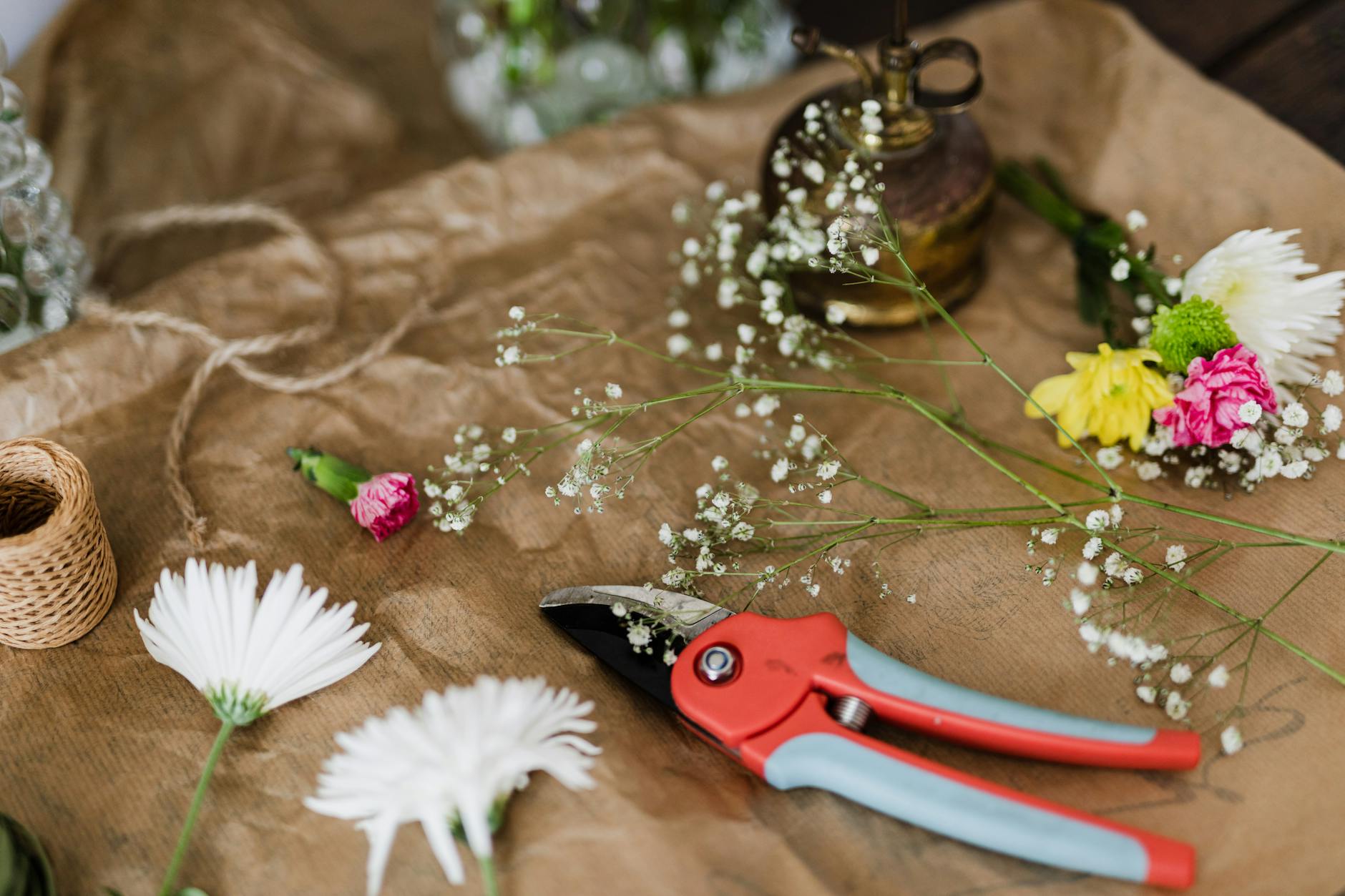
I’ve spent 25 years watching garden trends rise and fall, and let me tell you: the low-maintenance garden isn’t just a fad. It’s survival. Between work, family, and the occasional desire to actually enjoy your garden rather than slave over it, cutting back on upkeep is a no-brainer. At Crawley Garden Centre, we’ve got the tools, plants, and know-how to help you build a space that thrives with minimal fuss. Here’s how.
- Go native. Forget finicky exotics. Plants like lavender, sedum, and heather are built for British weather and need little more than an occasional trim. I’ve seen gardens in Crawley where these toughies outlasted their owners.
- Mulch like a pro. A 5cm layer of bark or gravel suppresses weeds, retains moisture, and looks sharp. It’s the lazy gardener’s secret weapon.
- Automate irrigation. Drip systems or smart sprinklers cost a bit upfront but save hours of watering. A £150 setup can cover a 50m² plot—worth it after one summer.
- Choose gravel over grass. Lawns are a time sink. Swap patches for gravel or self-binding gravel paths. Less mowing, fewer weeds, and zero mud.
- Embrace hard landscaping. Paved patios, decking, and raised beds reduce planting areas and make maintenance a breeze. Plus, they add value.
Still not convinced? Here’s a quick cost breakdown for a 10m² low-maintenance bed:
| Material | Cost (approx.) |
|---|---|
| Native perennials (10 plants) | £50 |
| Bark mulch (bulk bag) | £20 |
| Drip irrigation kit | £80 |
| Total | £150 |
That’s it. No more endless weeding, no more guilt over neglected borders. Just a garden that works for you. And if you’re still on the fence, pop into Crawley Garden Centre—we’ll set you straight.
Why Crawley Garden Centre is Your One-Stop Shop for Gardening Success*
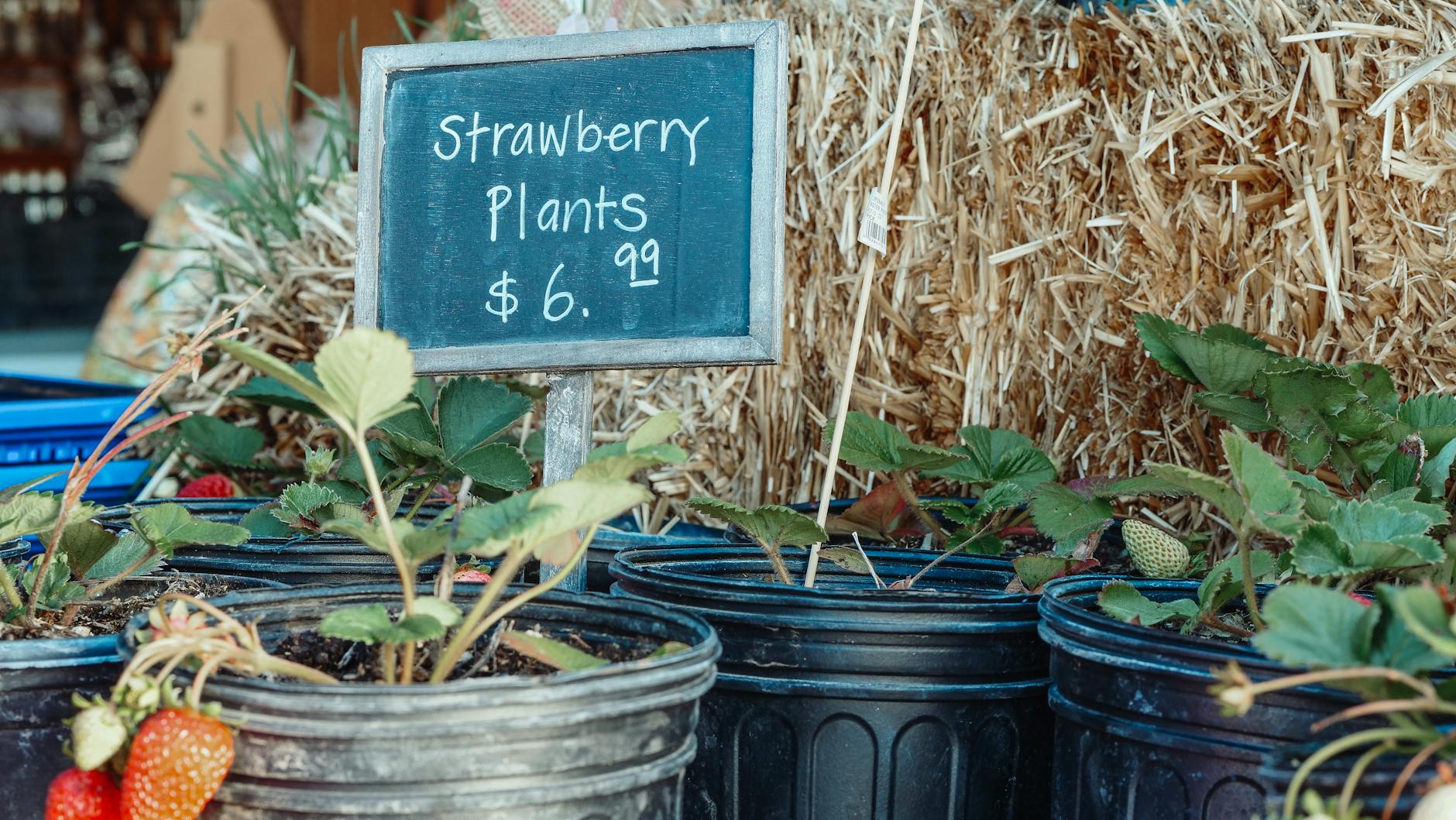
Look, I’ve been around the horticultural block enough times to know a good garden centre when I see one. Crawley Garden Centre isn’t just another place to pick up a few bags of compost and call it a day. It’s a properly thought-out operation, the kind that’s been fine-tuned over decades to give you everything you need—whether you’re a seasoned grower or a first-timer who still thinks “annuals” are a type of biscuit.
Here’s the thing: most garden centres make you bounce between sections, hoping you’ll buy something extra. Crawley? They’ve got it sorted. Need soil? They’ve got three premium blends—peat-free, multi-purpose, and a specialist mix for ericaceous plants. Want plants? Their stock rotates weekly, so you’re not stuck with last season’s leftovers. And if you’re after tools, their selection is curated by actual gardeners, not just some corporate buyer who thinks a trowel is a fancy dessert spoon.
- Over 5,000 plant varieties—from hardy perennials to exotic tropicals
- Tools that actually last (no flimsy plastic here)
- Expert staff who won’t patronise you with jargon
- Seasonal workshops (yes, they still do these, and they’re free)
- A café that serves decent coffee—because no one should garden on weak brew
I’ve seen too many places that overpromise and underdeliver. Crawley? They’re the real deal. Take their plant guarantee—if something doesn’t thrive within 30 days, they’ll replace it. No questions asked. And their loyalty scheme? You earn points on every purchase, which you can trade for discounts or freebies. It’s not some gimmick; it’s how they keep customers coming back.
| Season | Top Picks |
|---|---|
| Spring | Primroses, tulip bulbs, compost for new beds |
| Summer | Hanging baskets, patio plants, slug deterrents (trust me, you’ll need them) |
| Autumn | Winter bedding, mulch, garden furniture covers |
| Winter | Houseplants, bird feeders, pruning tools |
And here’s the kicker: they don’t just sell you stuff. Their staff—some of whom have been there since the 80s—will actually diagnose your garden problems. Got a plant that’s looking sad? They’ll ask the right questions. Need advice on layout? They’ll sketch it out for you. It’s that kind of hands-on service that’s disappearing from the industry.
So if you’re tired of wasting time (and money) at places that treat gardening like an afterthought, give Crawley a shot. You’ll walk in for a bag of compost and leave with a plan, a plant, and a cup of decent coffee. And that, my friends, is how you garden right.
How to Design a Stunning Garden on a Budget with Our Expert Tips*

Look, I’ve designed gardens for everything from council estates to country manors, and one thing’s clear: you don’t need a fortune to create something stunning. Crawley Garden Centre’s got the tools, but it’s how you use them that counts. Here’s how to get it right without breaking the bank.
First, start with a plan. I’ve seen too many people dive in, buy everything that catches their eye, and end up with a mess. Grab a notebook, sketch your space, and note sunlight, soil type, and drainage. A rough layout saves money—trust me. Here’s a quick checklist:
- Measure your space (even if it’s just a balcony).
- Identify problem areas (shady spots, soggy patches).
- Pick a theme (cottage, modern, wildlife-friendly).
Next, prioritise perennials. Annuals look great for a season, but perennials come back year after year. At Crawley, you’ll find hardy favourites like Echinacea (£5-£8) and Sedum (£4-£6) that thrive with minimal fuss. Pair them with budget-friendly bulbs—daffodils (£0.50 each) and tulips (£0.75) add spring colour without the cost of bedding plants.
For structure, go for gravel and mulch. I’ve used 10mm gravel (£3-£5 per bag) to create paths and borders—cheaper than paving, and it suppresses weeds. Mulch (£4-£6 per bag) keeps moisture in and looks tidy. Pro tip: buy in bulk for discounts.
DIY your features. Need a water feature? A £10 solar-powered fountain from Crawley does the job. Or build a raised bed from reclaimed wood (£20-£30) instead of buying pre-made (£100+). Here’s a cost breakdown:
| Item | DIY Cost | Shop-Bought |
|---|---|---|
| Raised bed (1m x 1m) | £20-£30 | £100+ |
| Gravel path (2m x 1m) | £15-£20 | £50+ (paving) |
| Solar fountain | £10-£15 | £50+ (electric) |
Finally, shop smart. Visit Crawley on a weekday—stock’s fresher, and staff have more time to advise. Ask about end-of-season sales (I’ve grabbed half-price shrubs in October). And don’t overlook the plant swap board—locals often offload healthy plants for free.
Remember: a stunning garden’s about thoughtful design, not spending. With these tricks, you’ll have a space that looks like a pro did it—without the pro price tag.
At Crawley Garden Centre, your dream garden begins with the right inspiration and quality plants. Whether you’re a seasoned gardener or just starting out, our expert team and carefully curated selection ensure you’ll find everything you need to create a thriving outdoor space. From vibrant flowers to sturdy shrubs and practical gardening tools, we’re here to help you bring your vision to life. For a flourishing garden, remember to consider your local climate and soil conditions—small adjustments can make a big difference. Ready to transform your garden? Visit us today and let’s grow something beautiful together! What’s the first plant you’ll add to your collection?