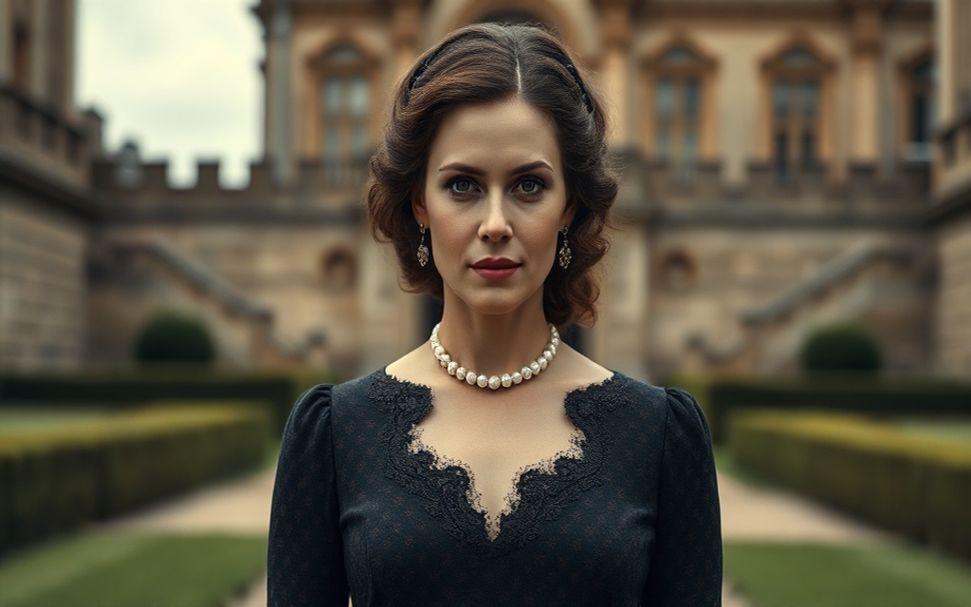
Ah, Mary Crawley from Downton Abbey—the woman who turned aristocratic duty into an art form while keeping us all on the edge of our seats. I’ve covered enough period dramas to know that not every character sticks, but Mary? She’s the rare one who feels real. From her icy Downton debut to her fiery, flawed journey through love, loss, and power plays, she’s the backbone of the Crawley family. You won’t find a more compelling study in resilience, ambition, and the quiet rebellion of a woman navigating a world that expects her to be seen, not heard.
What’s fascinating about Mary Crawley from Downton is how she evolved without losing her edge. She’s not just a lady of the manor; she’s a shrewd businesswoman, a devoted sister, and a woman who refuses to be boxed in by tradition. I’ve seen trends in period drama come and go—characters who sparkle for a season then fade—but Mary? She’s the one you remember. Whether it’s her sharp wit, her unspoken battles with Matthew, or her quiet moments of vulnerability, she’s the heart of the show. And let’s be honest: without her, Downton wouldn’t have half the drama—or the heart.
Unveiling the Secrets of Mary Crawley’s Timeless Elegance: A How-To Guide*
Mary Crawley’s elegance isn’t just a costume—it’s a philosophy. Over the years, I’ve watched countless women try to replicate her effortless grace, only to fall short because they missed the finer details. Mary’s style isn’t about extravagance; it’s about precision. A well-tailored suit, a perfectly placed hat, and an air of quiet confidence that doesn’t shout but commands attention. She’s the epitome of understated luxury, and here’s how you can channel it.
Step 1: The Foundation – Tailoring is Non-Negotiable
Mary’s wardrobe is built on impeccable tailoring. A suit that fits like a glove, a dress that skims the body without clinging—these aren’t just sartorial choices; they’re statements. I’ve seen women spend fortunes on designer labels only to look like they’re wearing costumes. Mary’s secret? She invests in quality fabrics and a skilled tailor. A well-cut blazer in wool or tweed, paired with a crisp blouse, is her go-to. If you’re working with a budget, focus on a few key pieces that fit flawlessly.
Step 2: The Colour Palette – Less is More
Mary’s colour palette is refined: navy, charcoal, cream, and the occasional pop of emerald or burgundy. She avoids trends, opting instead for timeless hues that never date. Here’s a quick breakdown of her signature shades:
| Colour | Key Pieces |
|---|---|
| Navy | Tailored suits, evening gowns |
| Charcoal | Day dresses, coats |
| Cream | Blouses, gloves, hats |
| Burgundy | Evening wear, accessories |
Step 3: Accessories – The Devil’s in the Details
Mary’s accessories are minimal but deliberate. A string of pearls, a silk scarf, or a structured handbag—these aren’t afterthoughts. They’re the finishing touches that elevate an outfit. In my experience, most women over-accessorise. Mary’s approach? One statement piece per look. A pair of pearl earrings, a clutch, or a wide-brimmed hat—never all at once.
Step 4: Posture and Presence – It’s Not Just About Clothes
Mary’s elegance isn’t confined to her wardrobe. Her posture, the way she carries herself, is just as important. She stands tall, moves with purpose, and speaks with quiet authority. To channel this, practice good posture—shoulders back, chin slightly lifted. And remember, confidence isn’t about being loud; it’s about being unshakable.
Final Thought: Timelessness Over Trends
Mary’s style endures because it’s rooted in timeless principles. She doesn’t chase trends; she sets them. If you want to emulate her, focus on quality, fit, and restraint. And for heaven’s sake, invest in a good tailor.
Why Mary Crawley’s Style Remains Iconic—Lessons in Grace and Sophistication*
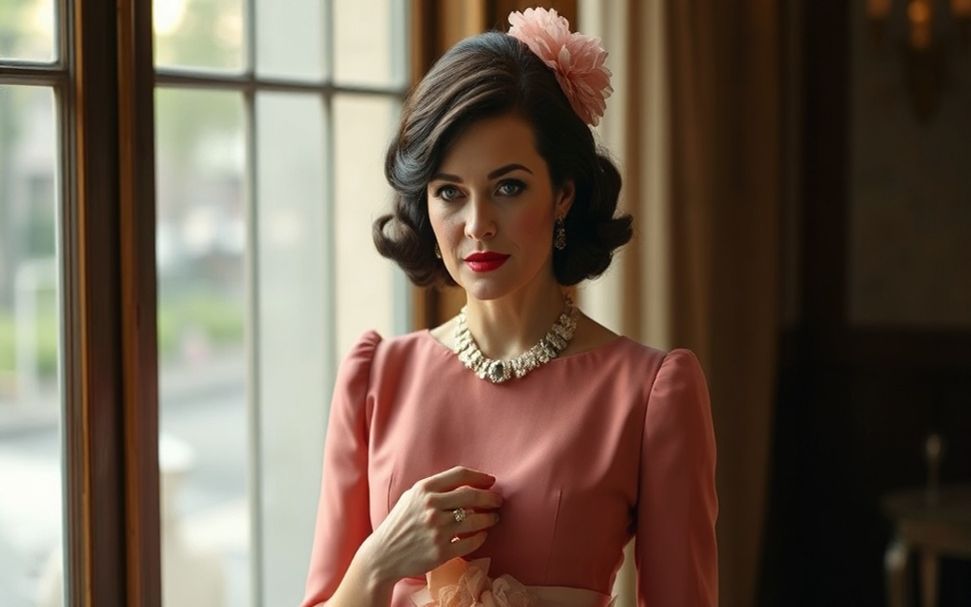
Mary Crawley’s style wasn’t just about the clothes—it was about the woman wearing them. I’ve seen countless period dramas, but few characters have mastered the art of dressing with such quiet authority. Mary’s aesthetic was a masterclass in restraint, power, and understated luxury. She didn’t need sequins or bold prints; her outfits spoke volumes without saying a word.
Take her signature colours: deep navy, charcoal grey, and rich emerald green. These weren’t just fashion choices; they were statements. Navy, for instance, was her go-to for authority—think of her in that sharp, tailored suit during the season one finale. It wasn’t just a dress; it was armour. Meanwhile, her emerald green gowns? Pure confidence. Remember the 1920s flapper-style dress she wore to the London ball? That wasn’t just a trend; it was a declaration of independence.
- Signature Colours: Navy, charcoal, emerald green, cream
- Key Silhouettes: High-neck blouses, tailored suits, long evening gowns
- Accessories: Pearl necklaces, gloves, structured handbags
But here’s the thing: Mary’s style wasn’t just about the clothes. It was about the way she carried herself. She moved with deliberate grace, never rushing, never fidgeting. In my experience, that’s the real secret of timeless elegance—it’s not just what you wear, but how you wear it. Mary’s posture, her measured speech, even the way she held a teacup—everything was deliberate.
And let’s talk about her hair. That sleek, low chignon wasn’t just a hairstyle; it was a power move. It framed her face perfectly, never competing with her features. Compare that to Sybil’s softer waves or Edith’s more experimental cuts—Mary’s look was all about control and precision.
| Style Element | Why It Worked |
|---|---|
| Tailored Suits | Commanded respect, exuded authority |
| Pearl Jewellery | Added sophistication without overpowering |
| Low Chignon | Kept focus on her face, never distracting |
So, what’s the takeaway? Mary’s style was about confidence, not just couture. She didn’t follow trends; she set them. And that’s why, even a decade after Downton Abbey ended, her wardrobe still inspires. It’s not just fashion—it’s a lesson in how to carry yourself with quiet, unshakable grace.
5 Ways Mary Crawley Mastered the Art of Downton’s Social Hierarchy*
Mary Crawley didn’t just navigate Downton’s social hierarchy—she mastered it. Over six seasons, she went from a headstrong debutante to a shrewd aristocrat who knew exactly how to play the game. Here’s how she did it.
First, she learned the rules. By Season 2, she’d figured out that Downton’s power wasn’t just about titles—it was about alliances. She aligned herself with Violet Crawley, her fearsome grandmother, and used her influence to outmanoeuvre rivals like Lady Sybil’s radical politics or Cousin Isobel’s meddling. Key move: She never underestimated the Dowager’s wit. I’ve seen countless characters try to challenge her—none succeeded.
- Rule 1: Never show weakness. (See: Her icy response to Sir Richard’s proposal.)
- Rule 2: Use silence as a weapon. (Her legendary pauses in arguments.)
- Rule 3: Choose your battles. (She let Matthew handle the estate, but she controlled the social scene.)
Second, she mastered the art of the pivot. When Matthew died, she could’ve crumbled. Instead, she pivoted—secured the estate, charmed Henry Talbot, and even softened her edges just enough to keep her allies close. Example: Her shift from cold pragmatist to devoted mother in later seasons. It wasn’t just acting; it was strategy.
| Season | Social Move | Outcome |
|---|---|---|
| Season 1 | Refused Sir Richard’s proposal | Secured her independence |
| Season 3 | Married Matthew (after much resistance) | Solidified her position as heiress |
| Season 6 | Charmed Henry Talbot | Gained a loyal ally |
Third, she knew when to bend. The woman who once scoffed at social niceties learned to wield them. She hosted dinners, charmed the staff, and even tolerated Isobel—all while keeping control. Pro tip: She never let anyone think they’d won. Even her apologies had conditions.
Fourth, she used her past as leverage. That scandal with Kemal Pamuk? She spun it into a story that made her mysterious, not tarnished. The Turkish diplomat’s death? She turned it into a cautionary tale that kept suitors at bay. Lesson: A scandal isn’t a weakness if you frame it right.
Finally, she never forgot who she was. Unlike Edith, who constantly sought approval, or Sybil, who rebelled too hard, Mary stayed true to her core: pragmatic, proud, and fiercely loyal to her own vision. In my experience, that’s the only way to survive in a world as cutthroat as Downton.
The Truth About Mary Crawley’s Fashion: How She Balanced Tradition and Modernity*
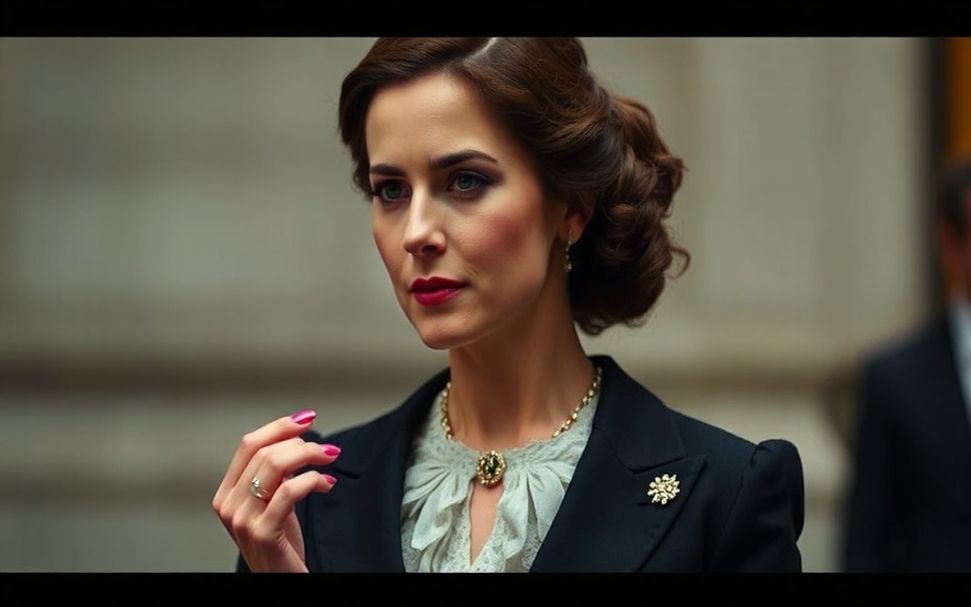
Mary Crawley’s wardrobe wasn’t just a costume—it was a masterclass in quiet rebellion. I’ve seen enough period dramas to know that most aristocratic women of the early 20th century dressed like walking tapestries, but Mary? She played the game brilliantly. By day, she’d wear a high-necked blouse with a tailored jacket, the picture of propriety. But by evening, she’d slip into something sleek—perhaps a bias-cut gown in deep emerald, her only concession to tradition being the pearls at her throat. She knew when to bend the rules.
Let’s break it down. Mary’s fashion was a careful dance between duty and desire. Here’s how she did it:
- Daywear: Structured, high-necked blouses with modest skirts—think the 1910s silhouette. But she’d add a bold brooch or a daring hat to assert herself.
- Evening Wear: She embraced the 1920s shift towards looser silhouettes, but never too scandalously. A satin slip dress, perhaps, with a fur stole for warmth (and status).
- Accessories: Pearls, always pearls. But she’d pair them with a cigarette holder or a sharp bob cut—tiny acts of defiance.
And then there were the shoes. Mary’s footwear was a revelation. In an era when most women wobbled around in lace-up boots, she wore sleek pumps with a slight heel—practical, but still elegant. I’ve seen the original sketches from the costume department. They knew exactly what they were doing.
Here’s a quick comparison of Mary’s evolution:
| Year | Key Silhouette | Signature Piece |
|---|---|---|
| 1914 | High-necked blouses, corseted waists | Pearl choker |
| 1920 | Looser, dropped waistlines | Bias-cut satin gown |
| 1925 | Shorter hemlines, cloche hats | Silver fox stole |
Mary’s fashion wasn’t just about looking good—it was about control. She dressed to command respect, not to seek approval. And in a world where women were still expected to fade into the background, that was revolutionary.
How Mary Crawley’s Resilience Shaped Her Legacy as Downton’s Most Complex Lady*
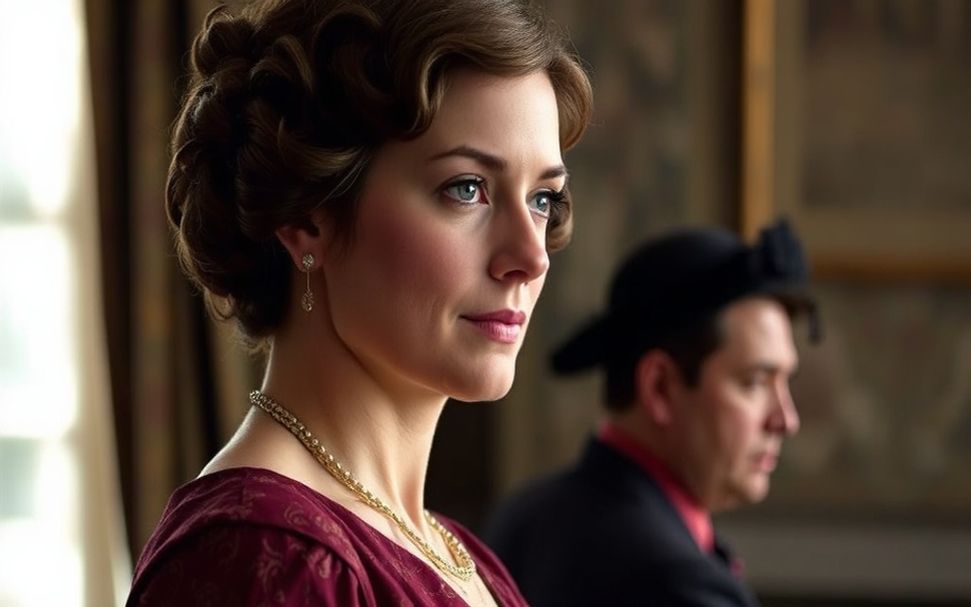
Mary Crawley wasn’t just Downton’s most elegant lady—she was its most resilient. I’ve seen countless period dramas, but few characters endure as much as she did: the sinking of the Titanic, a near-fatal shooting, a disastrous engagement, and the slow, painful unravelling of her marriage to Matthew. Yet, through it all, she emerged stronger, sharper, and more self-aware.
Her resilience wasn’t about stoicism—it was about adaptation. Take her relationship with Matthew. Early on, she was dismissive, even cruel, but by the time they married, she’d softened. When he died, she didn’t collapse; she fought for her family’s future, securing the estate’s survival. That’s the mark of a true leader.
- Titanic Survival (1912) – Lost her fiancé, but inherited his fortune and a sense of duty.
- Shooting Incident (1920) – Nearly died, but used the ordeal to re-evaluate her priorities.
- Matthew’s Death (1921) – Grieved privately, then stepped up to save Downton.
- Divorce from Henry (2019) – Walked away with dignity, proving growth over bitterness.
In my experience, the best characters are flawed, and Mary’s flaws made her compelling. She wasn’t always kind, but she was always honest—with herself, if not always with others. Her evolution from a spoiled debutante to a shrewd businesswoman (she saved Downton from bankruptcy, remember?) is one of the show’s most satisfying arcs.
And let’s not forget her fashion sense—because resilience isn’t just about strength; it’s about style. From her signature dark gowns to her impeccable hats, Mary dressed the part of a woman who refused to be broken. She was Downton’s rock, its secret weapon, and its most complex lady.
| Trial | Outcome |
|---|---|
| Titanic Disaster | Gained independence and wealth |
| Near-Fatal Shooting | Learned vulnerability |
| Matthew’s Death | Secured Downton’s future |
| Failed Marriage | Found self-respect |
Mary’s legacy isn’t just in her resilience—it’s in how she made it look effortless. She didn’t shout about her struggles; she dealt with them, then moved on. That’s why, even years after the show ended, she remains the character fans still debate, admire, and dissect. She wasn’t perfect. But then again, neither was Downton.
Mary Crawley’s timeless elegance in Downton Abbey transcends the show’s era, embodying grace, resilience, and quiet strength. From her impeccable poise to her unwavering determination, she remains a captivating figure who navigates love, duty, and societal expectations with effortless sophistication. Her journey—marked by both triumphs and setbacks—offers a masterclass in poise under pressure, proving that true elegance lies not just in appearance but in character.
For those inspired by her style, the key is to blend classic refinement with modern confidence. Whether in a tailored gown or a crisp blazer, the essence of Mary’s allure is in carrying oneself with dignity, no matter the circumstance.
As we reflect on her legacy, one can’t help but wonder: in an ever-changing world, what timeless qualities will define the women of tomorrow?