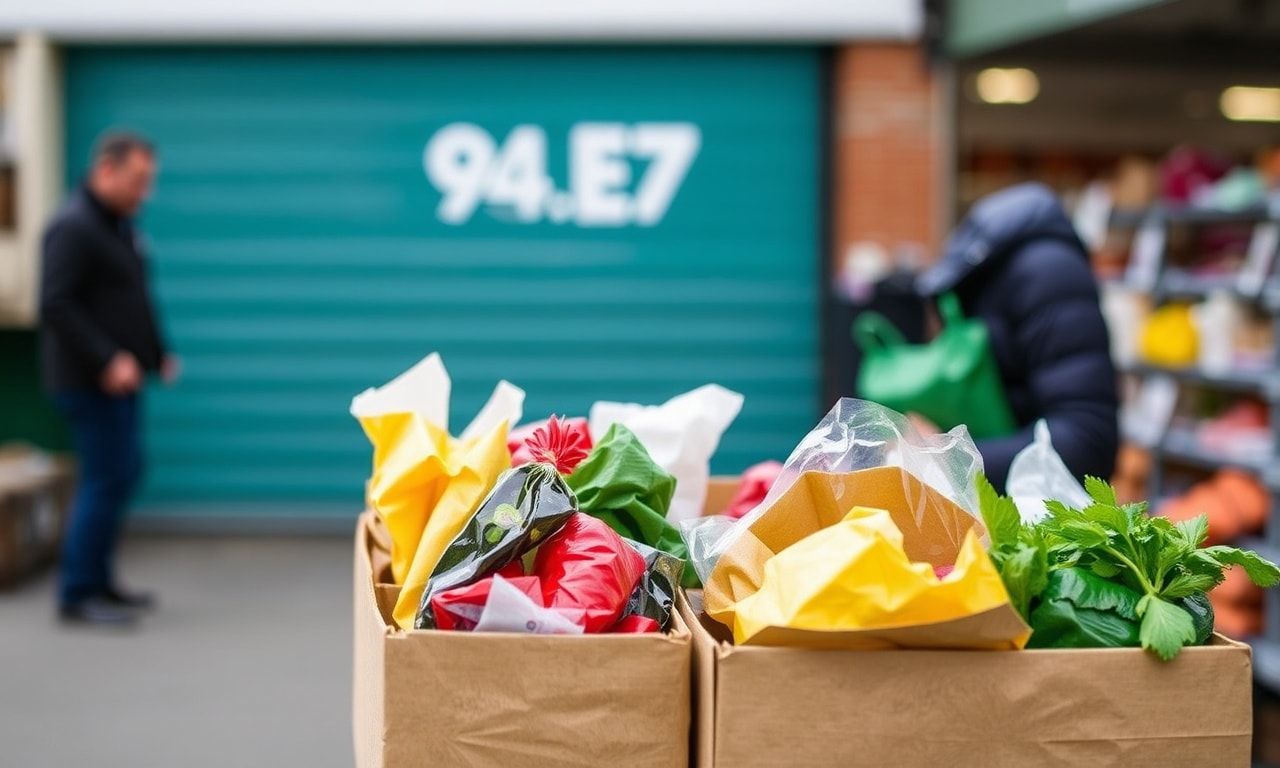
The Growing Need for Food Banks in Crawley
In recent months, the demand for food banks in Crawley has seen a significant surge, driven by a combination of economic factors and the ongoing impact of the COVID-19 pandemic. Local charities and community organizations are stepping up to meet this growing need, with volunteers and donors playing a crucial role in supporting those in need.
Understanding the Causes Behind the Increase
The rise in demand for food banks can be attributed to several factors. The economic fallout from the pandemic has left many families struggling to make ends meet. Job losses, reduced working hours, and increased living costs have all contributed to a higher number of people seeking assistance. Additionally, the end of furlough schemes and the rising cost of living have exacerbated the situation, pushing more individuals and families towards food insecurity.
Local authorities and community leaders have highlighted the importance of addressing these issues promptly. They emphasize the need for sustained support from both the government and private sector to ensure that food banks can continue to operate effectively. Initiatives such as food drives, fundraising events, and volunteer programs have been instrumental in maintaining the supply of essential goods.
Community Efforts and Volunteer Support
The community in Crawley has shown remarkable resilience and solidarity in the face of these challenges. Local volunteers have been at the forefront of efforts to support the food bank, organizing collection points, distributing food parcels, and providing emotional support to those in need. Schools, churches, and businesses have also joined the cause, donating food items and financial contributions to help sustain the food bank’s operations.
One of the key initiatives has been the establishment of community fridges and pantries, where surplus food can be donated and accessed by those who need it. These initiatives not only help to reduce food waste but also provide a valuable resource for individuals and families facing financial hardship. The collaborative spirit within the community has been a beacon of hope, demonstrating the power of collective action in times of crisis.
Navigating the Challenges of Food Insecurity
For many families, the journey to food security is fraught with challenges. The stigma associated with seeking help can be a significant barrier, preventing individuals from accessing the support they need. To combat this, local organizations have been working to raise awareness and educate the public about the realities of food poverty. Campaigns aimed at destigmatizing the use of food banks have been particularly effective in encouraging more people to seek assistance when needed.
Additionally, the availability of helpful resources online guide has been instrumental in providing practical advice and support to those navigating food insecurity. These resources offer guidance on budgeting, cooking on a budget, and accessing local support services. By empowering individuals with the knowledge and tools they need, these resources play a crucial role in helping families overcome the challenges of food poverty.
The Role of Government and Policy
The government has a critical role to play in addressing the root causes of food insecurity. Policies aimed at reducing poverty, increasing wages, and providing adequate social support are essential in creating a more equitable society. Local MPs and council members have been vocal in their calls for increased funding and support for food banks and other community initiatives. They argue that a multi-faceted approach, combining immediate relief with long-term solutions, is necessary to tackle the issue effectively.
In response to these calls, the government has announced several initiatives aimed at supporting vulnerable communities. These include increased funding for food banks, expanded eligibility for welfare benefits, and targeted support for families with children. While these measures are a step in the right direction, many argue that more needs to be done to address the systemic issues underlying food poverty.
Looking Ahead: Building a More Resilient Community
As the community in Crawley continues to rally around those in need, the focus is increasingly shifting towards building long-term resilience. This involves not only addressing immediate needs but also creating sustainable solutions that can withstand future challenges. Community leaders are calling for greater investment in local infrastructure, education, and job creation to ensure that all residents have access to the resources they need to thrive.
The journey towards food security is a complex and multifaceted one, but the spirit of community and solidarity in Crawley provides a powerful example of what can be achieved when people come together. By continuing to support local initiatives, raising awareness, and advocating for policy changes, the community can work towards a future where no one has to go hungry.
As the celestial event of the decade approaches, astronomy enthusiasts and casual observers alike should consider reviewing details on the upcoming eclipse to prepare for this remarkable phenomenon.
Berlin’s latest steps towards sustainable mobility are outlined in the city’s new initiative, offering a glimpse into its future transportation plans.
As Las Vegas continues to evolve, our latest report highlights upcoming city developments set to reshape the city’s landscape.